



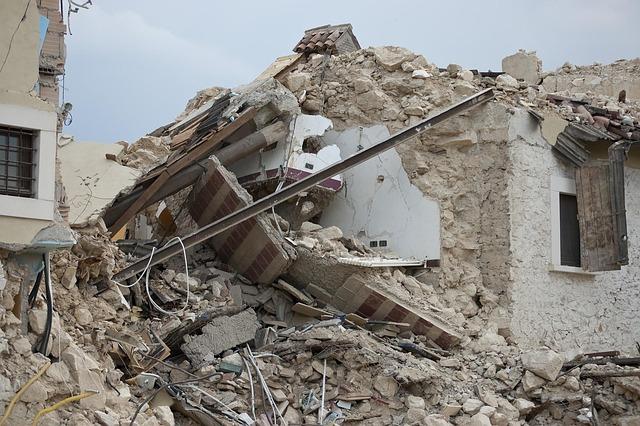
Philadelphia Germantown House Collapse Highlights Persistent Building Code Violations and Enforcement Gaps
Chronic Safety Deficiencies Behind Germantown Home Collapse
The recent structural failure of a residence in Philadelphia’s Germantown district is not an isolated event but the culmination of years of documented neglect. City records reveal a persistent pattern of safety violations, including unresolved structural damage and hazardous conditions. Despite numerous inspections identifying critical issues, many problems remained unaddressed, spotlighting systemic enforcement weaknesses in the local housing sector.
Key violations recorded over time included:
- Significant foundation cracks and weakened support beams
- Presence of dangerous materials such as asbestos
- Non-functional smoke alarms and obstructed emergency exits
- Unsafe electrical wiring increasing fire hazards
Even after official condemnation orders were issued, the property continued to be occupied, setting the stage for the eventual collapse that has deeply affected the community.
| Inspection Date | Violation Identified | Resolution Status |
|---|---|---|
| March 2021 | Foundation cracks | Unresolved |
| July 2022 | Electrical wiring faults | Unresolved |
| November 2023 | Emergency exits blocked | Resolved |
| January 2024 | Asbestos contamination | Unresolved |
Inspection Findings Reveal Repeated Failures and Neglect
Over the last two years, a series of inspections uncovered ongoing safety lapses that were never fully rectified. Reports highlighted severe structural issues such as foundation instability and pervasive water damage, which were left unattended despite clear citations. The local housing authority’s follow-up and enforcement efforts appeared insufficient, allowing hazardous conditions to persist.
The following table summarizes the critical failed assessments leading up to the collapse:
| Inspection Date | Assessment Focus | Failure Details |
|---|---|---|
| March 2022 | Structural Soundness | Foundation cracks and unstable walls |
| July 2023 | Electrical Safety | Exposed wiring and outdated electrical panels |
| October 2023 | Mold and Moisture Control | Widespread mold infestation in basement and walls |
- Multiple citations: The property owner was repeatedly notified but failed to consistently comply.
- Missed repair deadlines: Required fixes were often delayed or ignored.
- Critical hazards neglected: Serious safety risks were left unaddressed, increasing danger to occupants.
Community Voices Concern Over Regulatory Oversight and Enforcement
Local residents and advocacy groups have voiced frustration over what they perceive as inadequate municipal oversight that allowed a structurally unsound building to remain occupied. They argue that despite multiple failed inspections highlighting urgent safety issues, enforcement actions were insufficiently rigorous or timely. This has sparked broader concerns about accountability and the effectiveness of Philadelphia’s building safety enforcement, especially in vulnerable neighborhoods.
Critics point to inconsistent inspection schedules and lenient penalties that fail to incentivize prompt repairs. The following table outlines the violations and corresponding enforcement responses related to the property:
| Violation Category | Inspection Result | Enforcement Measure |
|---|---|---|
| Structural Damage | Failed | Warning Issued |
| Electrical Hazards | Failed | No Financial Penalty |
| Exterior Deterioration | Failed | Compliance Order Issued |
| Unsafe Access Points | Failed | Enforcement Delayed |
Community advocates are urging for:
- Greater transparency in inspection outcomes
- More stringent enforcement of building regulations
- Regular follow-up inspections to verify compliance
- Increased budget allocation for the Department of Licenses and Inspections
Specialists Call for Enhanced Building Standards and Inspection Reforms
Construction and safety experts stress the necessity of updating building codes to prevent incidents like the Germantown collapse. They argue that current standards often overlook the cumulative impact of minor infractions that gradually undermine structural safety. Proposed reforms include adopting more durable materials and engineering practices tailored to urban environmental challenges.
Experts also recommend revamping inspection procedures by:
- Increasing the frequency and scope of inspections throughout a building’s lifespan, beyond initial construction or sale phases
- Implementing integrated digital systems to track compliance and quickly identify recurring problems
- Enhancing inspector training and certification to ensure uniform enforcement of safety protocols
| Proposed Reform | Anticipated Benefit |
|---|---|
| Stricter material quality standards | Extended durability of structures |
| Mandatory mid-life building inspections | Early identification of emerging issues |
| Digital inspection recordkeeping | Improved transparency and accountability |
| Advanced training for inspectors | Reduction in oversight errors |
Conclusion: Strengthening Building Safety to Protect Philadelphia Communities
The collapse of the Germantown house serves as a powerful reminder of the vital role that rigorous inspections and strict adherence to building codes play in safeguarding residents. With a documented history of violations and ignored warnings, this tragedy highlights persistent challenges in maintaining the safety of aging urban housing stock. Moving forward, coordinated efforts between city officials, community members, and industry experts are essential to enhance enforcement, update regulations, and prevent similar disasters across Philadelphia’s neighborhoods.