



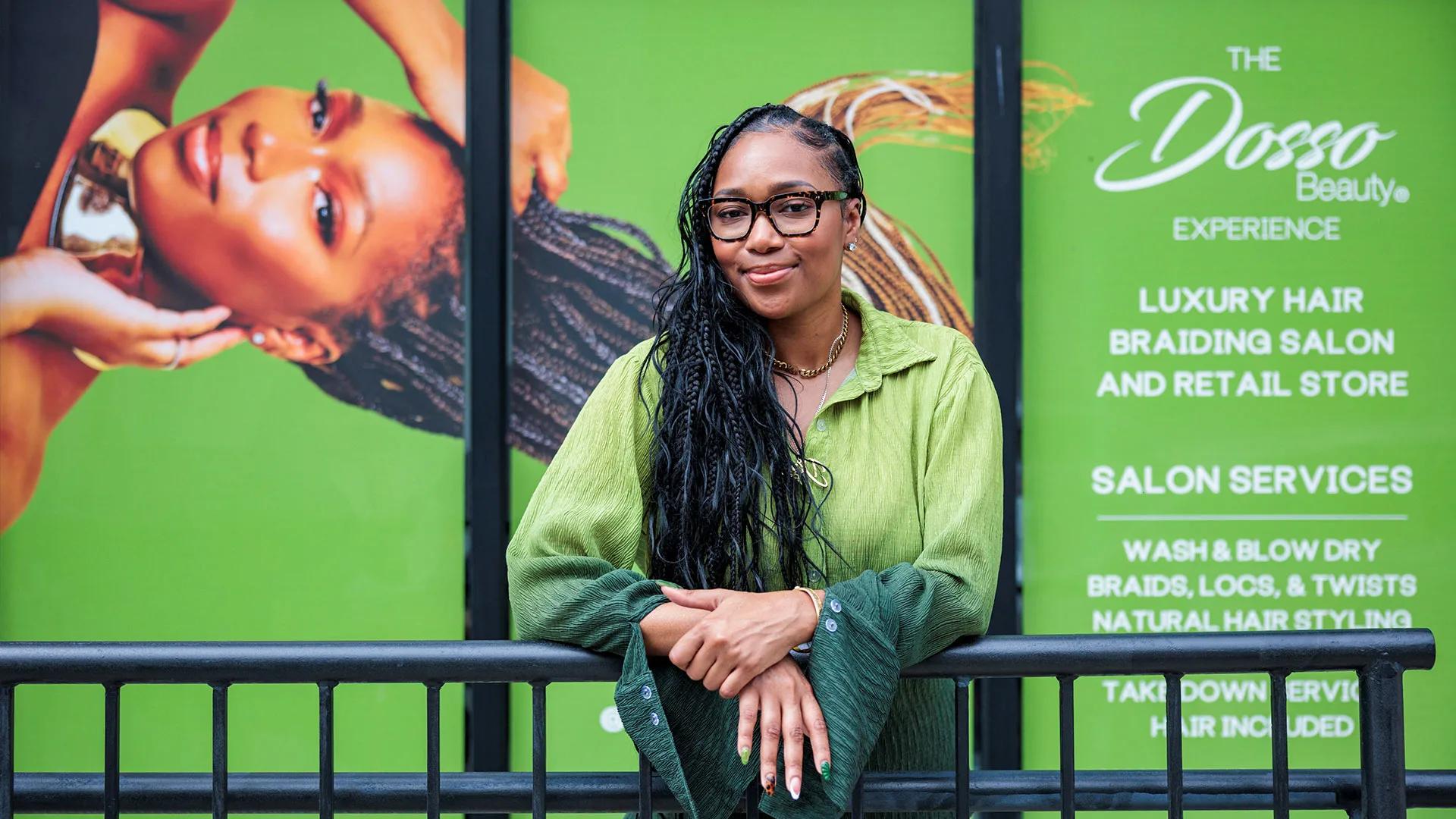
How Trade Tariffs Are Reshaping the Landscape for Black-Owned Beauty Enterprises
Trade tensions and tariff policies introduced during the Trump administration have extended their influence well beyond traditional manufacturing, deeply affecting Black-owned beauty businesses across the United States. These enterprises, which depend heavily on imported hair care ingredients and packaging, are now grappling with rising costs and supply chain interruptions. This strain not only jeopardizes their financial health but also threatens the cultural and economic vitality they contribute to the beauty industry.
Disruptions in Supply Chains: The Hidden Toll on Black-Owned Beauty Brands
The tariffs imposed on imported goods have significantly disrupted the supply networks that Black-owned beauty companies rely on. Essential components such as shea butter, exotic oils, fragrances, and specialized containers have seen price surges of 20-30%, forcing many brands to reconsider their sourcing strategies. These cost increases often translate into higher retail prices, which can alienate loyal customers or erode already thin profit margins.
Moreover, delays in shipping—sometimes extending lead times by up to a month—have complicated inventory management, making it difficult for small businesses to maintain consistent product availability. Limited alternatives for sourcing these unique ingredients exacerbate shortages, putting these brands at a competitive disadvantage compared to larger corporations with more diversified supply chains.
| Supply Chain Element | Tariff Impact | Business Adaptation |
|---|---|---|
| Raw Material Expenses | Increased by 20-30% | Seeking new supplier agreements |
| Shipping Timelines | Extended by up to 4 weeks | Early inventory stockpiling |
| Product Pricing | Raised by 5-15% | Introducing smaller product sizes |
Financial and Operational Pressures on Black Entrepreneurs in Beauty
Small and medium-sized Black-owned beauty businesses are particularly vulnerable to the cascading effects of tariff-induced cost increases. Many operate with limited capital reserves, making it challenging to absorb higher expenses without passing them on to consumers. This dynamic places additional pressure on price-sensitive customers and can reduce sales volume.
Operational challenges extend beyond finances. Logistical hurdles, such as unpredictable delivery schedules and increased regulatory requirements, further strain these businesses. Without extensive networks or resources, many entrepreneurs find it difficult to pivot quickly or secure alternative suppliers.
- Escalating costs for critical ingredients and packaging materials inflate production budgets.
- Supply delays reduce inventory turnover, disrupting sales cycles and cash flow.
- Heightened competition from larger firms capable of absorbing tariffs intensifies market pressures.
| Challenge | Business Impact | Typical Response |
|---|---|---|
| Tariff-Related Cost Hikes | Increased product prices | Negotiating bulk purchase discounts, diversifying suppliers |
| Supply Chain Interruptions | Reduced product availability | Increasing safety stock, placing orders earlier |
| Competitive Pricing Pressure | Lower profit margins | Focusing on brand differentiation and niche marketing |
Policy Responses and Advocacy for Targeted Support
Recognizing the disproportionate impact of tariffs on Black-owned beauty businesses, policymakers and advocacy groups are calling for tailored relief efforts. Generic economic stimulus measures often overlook the specific challenges faced by these entrepreneurs, such as limited supplier options and narrow profit margins.
Proposed solutions include:
- Creating subsidized import channels for key beauty ingredients favored by Black consumers.
- Offering micro-grants and low-interest loans designed specifically for small beauty enterprises.
- Launching supply chain assistance programs to help diversify sourcing and reduce tariff exposure.
- Partnering with local chambers of commerce to enhance market access and networking opportunities.
| Relief Initiative | Objective | Anticipated Benefit |
|---|---|---|
| Tariff Exemption Programs | Protect essential beauty imports | Lower costs and maintain product diversity |
| Small Business Financing | Provide working capital | Prevent closures and improve cash flow |
| Supply Chain Grants | Encourage alternative sourcing | Reduce price volatility and supply risks |
Adaptive Strategies for Black-Owned Beauty Brands Amid Trade Uncertainty
In response to ongoing trade policy fluctuations, Black-owned beauty companies are adopting innovative strategies to sustain growth and competitiveness. Emphasizing local sourcing reduces reliance on tariff-affected imports, while partnerships with domestic manufacturers help stabilize production costs and timelines.
Expanding digital sales channels has become crucial, enabling brands to reach customers directly and bypass some import-related expenses. Additionally, active participation in advocacy groups and trade associations empowers these businesses to influence policy decisions that affect their operations.
- Adopting flexible procurement practices to quickly adjust to supply changes.
- Growing e-commerce platforms to diversify revenue streams and customer bases.
- Engaging in policy advocacy to promote trade policies favorable to minority-owned businesses.
- Utilizing government relief programs and subsidies targeted at small enterprises.
| Strategy | Advantage | Implementation Advice |
|---|---|---|
| Local Supplier Partnerships | Cost predictability and supply stability | Identify and vet regional ingredient and packaging providers |
| Digital Commerce Expansion | Broader market reach and customer engagement | Invest in social media marketing and user-friendly online stores |
| Advocacy and Networking | Greater influence on trade policy | Join minority business associations and trade groups |
Final Thoughts
The ripple effects of tariff policies enacted during the Trump era continue to challenge Black-owned beauty businesses, threatening their profitability and long-term viability. As these entrepreneurs navigate increased import costs and supply chain disruptions, the need for targeted support and adaptive strategies becomes ever more critical. Addressing these challenges not only preserves the economic contributions of these businesses but also sustains the rich cultural heritage they embody within the beauty industry.