



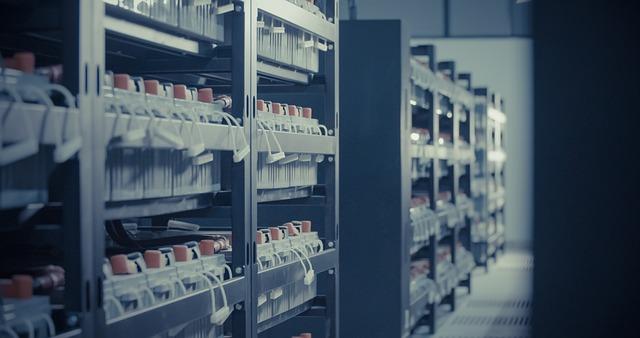
California’s Data Center Energy Debate: Advocating for Fair Power Cost Allocation
Assemblyman Matt Shapiro’s Push for Energy Cost Accountability in Data Centers
California Assemblyman Matt Shapiro has recently ignited a critical discussion regarding the surging electricity consumption of data centers across the state. He advocates for a policy shift that would require these massive tech facilities to fully cover their own energy expenses, rather than relying on subsidies that ultimately increase costs for residential consumers and strain the public grid. As data centers proliferate to meet the growing demand for cloud computing and digital services, Shapiro’s proposal underscores the urgent need to balance technological advancement with sustainable and equitable energy management.
Understanding the Financial Burden of Data Centers on Utility Customers
Data centers have become some of the most energy-intensive infrastructures, with estimates showing that they consume nearly 3% of the total electricity in the United States—a figure projected to rise as digital transformation accelerates. Currently, many utility models allow data centers to benefit from subsidized rates, shifting a disproportionate share of energy costs onto households and small businesses. Shapiro’s initiative challenges this status quo by proposing that data centers pay the full cost of their electricity usage, promoting fairness and encouraging energy efficiency within the sector.
- Complete cost responsibility: Data centers would no longer receive indirect subsidies from other utility customers.
- Clear and detailed billing: Utilities would issue transparent invoices that accurately reflect the energy consumption and costs of large-scale data operations.
- Encouragement of green technologies: Incentives would be offered to data centers adopting renewable energy sources and energy-saving innovations.
| Consumer Type | Current Energy Cost Share | Effect of Proposed Policy |
|---|---|---|
| Residential & Small Businesses | Approximately 70% | Reduced subsidy obligations |
| Data Centers | About 30% | Assume full energy cost |
Implications of Rising Data Center Energy Demand on Utility Infrastructure
The rapid expansion of data centers places significant stress on California’s electrical grid, necessitating costly infrastructure upgrades to maintain reliability and prevent outages. Utilities face the challenge of balancing these investments with the need to keep energy affordable for all customers. Shapiro’s proposal aligns with a growing consensus that large-scale energy consumers should contribute proportionally to the costs their demand imposes on the grid.
| Challenge | Impact on Utilities | Potential Mitigation |
|---|---|---|
| Increased Load | Grid capacity stretched, risk of instability | Infrastructure modernization, demand management programs |
| Revenue Volatility | High revenue from data centers but risk of sudden changes | Tiered pricing models, diversified customer base |
| Cost Distribution | Residential users subsidize data center energy use | Revised tariffs, dedicated fees for data centers |
- Grid stability: Data centers require uninterrupted power, prompting utilities to invest in resilience and rapid recovery systems.
- Environmental impact: Integrating renewable energy sources remains a priority to offset the carbon footprint of increased electricity consumption.
- Regulatory evolution: Energy policies must adapt to reflect the changing landscape of consumption and technology.
Policy Approaches to Equitable Energy Cost Distribution
As data centers continue to dominate regional energy consumption, policymakers are exploring frameworks to ensure that the financial responsibilities for grid maintenance and upgrades are fairly shared. The principle that large consumers should “pay their own way” is gaining traction, with the goal of fostering transparency and incentivizing energy efficiency.
- Tiered pricing structures: Charging rates based on consumption levels and peak demand periods to reflect true grid impact.
- Cost-sharing mechanisms: Requiring data centers to contribute directly to infrastructure improvements necessitated by their energy use.
- Renewable energy incentives: Promoting on-site generation and clean energy adoption to reduce grid dependency.
- Mandatory energy usage reporting: Enhancing transparency to support data-driven regulatory decisions.
| Policy Measure | Advantages | Challenges |
|---|---|---|
| Tiered Pricing | Aligns costs with actual usage patterns | Requires advanced metering infrastructure |
| Cost-Sharing | Funds necessary grid enhancements | May increase operational expenses for data centers |
| Renewable Incentives | Supports sustainability goals | High initial capital investment |
| Energy Reporting | Improves policy transparency and accountability | Enforcement and compliance monitoring |
Collaborative Strategies for Industry and Regulators to Promote Energy Fairness
To prevent the disproportionate impact of data center energy consumption on local communities and smaller consumers, a cooperative approach between industry stakeholders and regulatory bodies is essential. Transparency in energy use, combined with equitable pricing models, can drive more responsible consumption and investment in sustainable technologies.
- Implementing mandatory energy audits and public disclosure requirements for data centers.
- Encouraging direct investment in renewable energy installations at data center sites.
- Utilizing demand response programs to shift energy use away from peak periods, easing grid stress.
- Establishing regulatory frameworks that ensure data centers pay rates commensurate with their grid impact.
| Stakeholder | Role in Energy Equity | Recommended Actions |
|---|---|---|
| Data Center Operators | Major energy consumers | Enhance transparency, optimize energy efficiency |
| Regulatory Agencies | Policy enforcers and facilitators | Develop fair pricing, mandate reporting |
| Local Communities | Energy consumers and impacted parties | Advocate for equitable energy policies |
Conclusion: Navigating the Future of Data Center Energy Responsibility
The intensifying debate over the energy consumption of data centers and their associated costs marks a pivotal moment in California’s energy policy landscape. Assemblyman Matt Shapiro’s call for data centers to fully bear their electricity expenses reflects a broader movement toward sustainable, equitable energy use. As digital infrastructure continues to grow, the outcomes of this discourse will shape how utilities, regulators, and the tech industry collaborate to balance innovation with environmental stewardship and fairness for all energy consumers.