



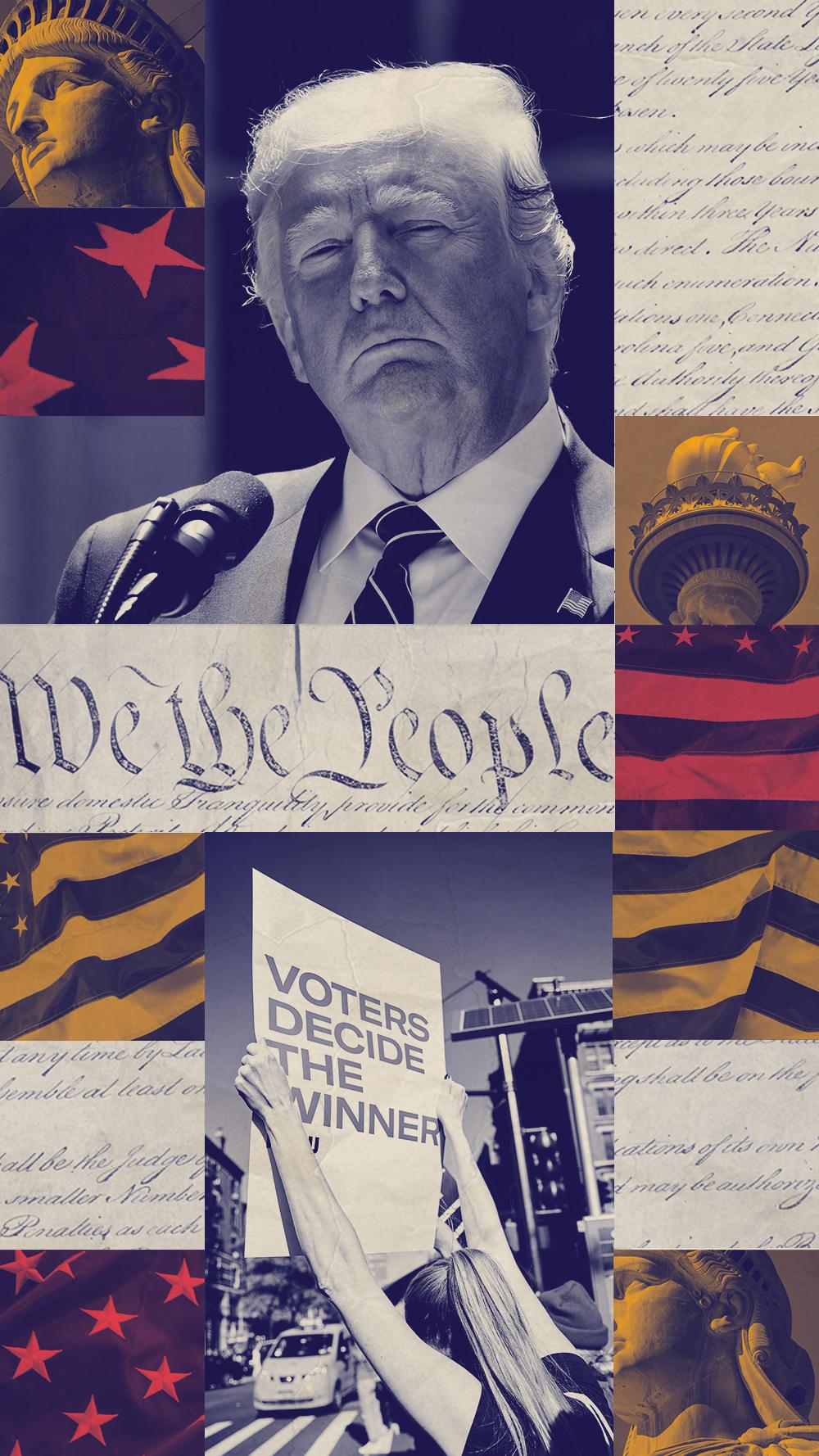
Trump Rekindles Controversy Surrounding Mail-In and Electronic Voting
Former President Donald Trump has once again voiced strong objections to the widespread use of mail-in ballots and electronic voting machines, particularly in several battleground states. His campaign and legal representatives contend that these voting methods pose significant risks to election security, pointing to concerns such as unverifiable ballots and potential technical glitches. This renewed opposition comes amid a broader trend of states expanding mail-in voting options and upgrading voting technology to enhance voter accessibility and streamline election administration.
However, critics argue that curtailing these voting options could suppress turnout, especially among communities that depend on the convenience of mail-in ballots and accessible voting technology. Below is a summary of key states where these voting methods are prevalent and the specific issues raised by Trump:
| State | Percentage Using Mail-In Voting | Extent of Electronic Voting Machine Use | Trump’s Main Concerns |
|---|---|---|---|
| Georgia | 48% | Extensive | Ballot Chain of Custody |
| Florida | 35% | Moderate | Machine Vulnerabilities |
| North Carolina | 40% | Limited | Fraud Allegations |
| Texas | 28% | Widespread | Verification Processes |
- Mail-in voting saw a dramatic increase during the COVID-19 pandemic, sparking debates about ballot authenticity and processing speed.
- Electronic voting machines are scrutinized for potential cybersecurity risks and lack of transparency.
- State responses range from enhancing security protocols to defending the integrity of current voting systems.
Legal and Political Dimensions of Limiting Mail-In Voting
The push to restrict mail-in voting has triggered a wave of legal battles, raising complex questions about the balance between safeguarding elections and ensuring voter accessibility. Opponents of these restrictions argue that such measures may infringe upon protections guaranteed by the Voting Rights Act and the Help America Vote Act, potentially disenfranchising millions, including elderly voters and individuals with disabilities. Courts in multiple jurisdictions have already issued injunctions against some restrictive laws, underscoring the contentious nature of this issue. The ongoing legal discourse centers on defining what constitutes reasonable access to voting amid competing state and federal interests.
Politically, the debate remains sharply divided. Advocates for tighter controls assert that these steps are necessary to prevent election fraud, despite extensive research indicating that such fraud is exceedingly rare. Conversely, critics warn that these restrictions risk eroding public trust in election outcomes and disproportionately impact turnout among key demographic groups. This polarization has fueled grassroots campaigns, legal challenges, and legislative counteractions, including:
- Community outreach efforts to inform voters about new voting regulations
- Litigation initiatives contesting restrictive voting laws
- Legislative proposals aimed at either tightening or expanding voting access
The intensity of this conflict is expected to shape electoral policies well into the future.
| Dimension | Possible Consequences | Key Stakeholders |
|---|---|---|
| Judicial Review | Heightened court involvement and rulings | Judges, civil rights advocates |
| Voter Accessibility | Risk of disenfranchisement for vulnerable groups | Voters, advocacy organizations |
| Election Integrity | Debates over fraud prevention effectiveness | Election officials, policymakers |
| Public Confidence | Increased polarization and skepticism | General public, media outlets |
Expert Perspectives on Voting Security and Technology
Specialists in election security acknowledge that while concerns about mail-in ballots and electronic voting machines are understandable given evolving cyber threats, outright bans or severe restrictions could inadvertently harm voter participation and overall election integrity. Experts emphasize that current voting technologies undergo stringent certification and auditing procedures designed to minimize risks of tampering or errors. Many states now implement comprehensive post-election audits and maintain paper ballot backups, which enhance transparency and accuracy. Organizations such as the National Institute of Standards and Technology (NIST) advocate for continuous improvements in cybersecurity rather than reverting to outdated voting methods.
Security analysts also caution that misinformation surrounding voting technologies can divert attention from more pressing vulnerabilities, including underfunded election infrastructure and insider threats. The table below outlines the security features and accessibility of common voting methods:
| Voting Method | Security Measures | Audit Capability | Accessibility |
|---|---|---|---|
| Mail-In Ballots | Signature verification, secure chain of custody | High (manual recount feasible) | Broad (widely available) |
| Electronic Voting Machines | Data encryption, tamper-resistant hardware | Variable (paper trail critical) | Moderate (equipment-dependent) |
| In-Person Paper Ballots | Physical security, manual handling | Very High (direct hand count) | Limited by polling site availability |
- Effective election security depends on layered defenses rather than eliminating technology.
- Paper audit trails and post-election reviews significantly enhance trust in both mail and electronic voting.
- Increased investment and training are essential to protect election systems from genuine threats.
Strategies to Protect Voting Rights Amidst Ongoing Controversies
Given the heightened scrutiny surrounding voting methods, it is imperative to safeguard democratic participation by ensuring elections remain both secure and accessible. States should enhance the security of mail-in voting by implementing standardized ballot tracking systems and employing rigorous identity verification techniques that maintain voter convenience without sacrificing integrity. Public education campaigns about the reliability and safeguards of electronic voting machines can also help dispel myths and foster confidence in election technology.
Collaboration between election officials and lawmakers is crucial to establish clear, consistent policies that protect voting rights while addressing legitimate security concerns. Recommended measures include:
- Independent audits of voting equipment and procedures after each election cycle.
- Robust cybersecurity investments to defend election infrastructure from external threats.
- Expanded voter education programs to increase awareness of voting options and rights.
- Transparent reporting of election data to build public trust and accountability.
| Protective Measure | Objective |
|---|---|
| Paper Ballot Audits | Confirm electronic results with physical evidence |
| Voter Education Campaigns | Combat misinformation and increase transparency |
| Enhanced Security Protocols | Prevent cyber intrusions and unauthorized access |
Final Thoughts
As debates over voting methods grow more intense, former President Trump’s renewed call to restrict mail-in ballots and electronic voting machines adds complexity to an already divisive issue. The challenge of balancing election security with voter accessibility remains central to national discussions, with policymakers, voters, and experts continuing to navigate this delicate terrain. The impact of this stance on future election laws and procedures is yet to be determined, but it undoubtedly sets the stage for ongoing dialogue and policy evolution ahead of forthcoming elections.