



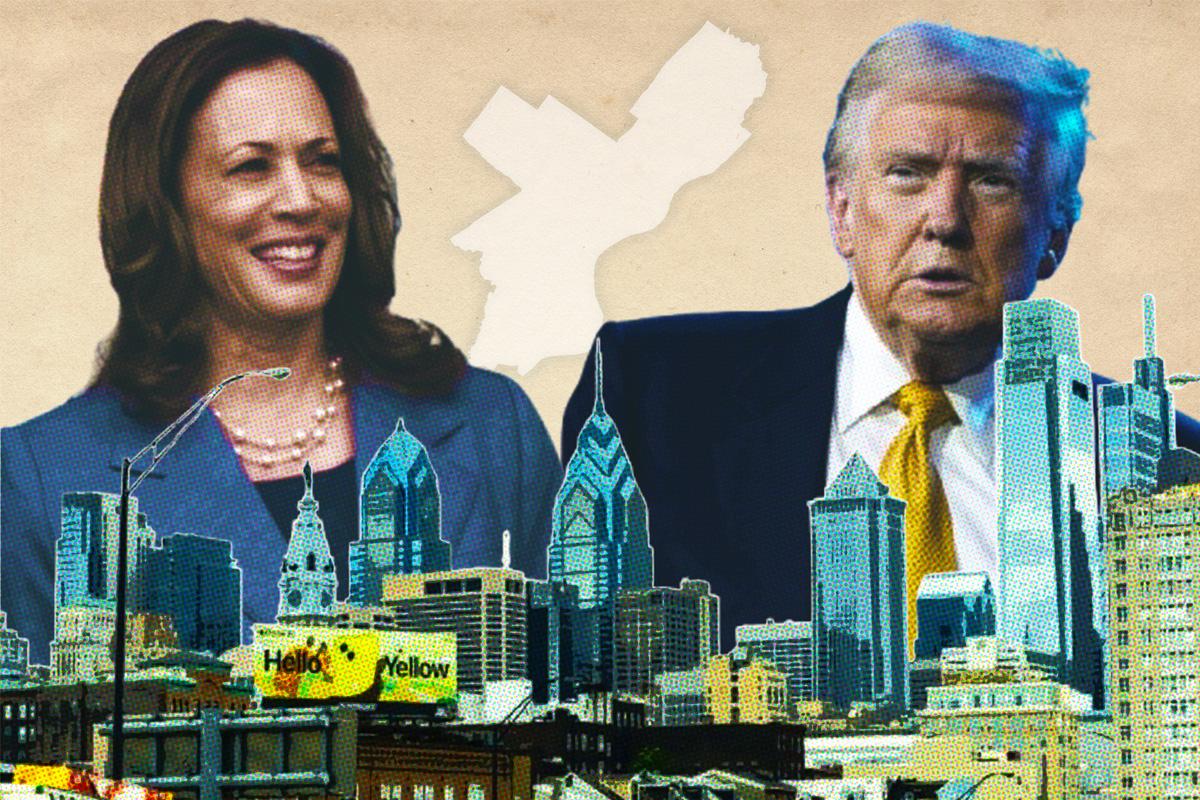
Shifting Political Allegiances Among Philadelphia’s Working-Class Voters
Once a steadfast Democratic bastion, Philadelphia is witnessing a significant transformation in the political preferences of its working-class population. Historically loyal to the Democratic Party, this group is increasingly gravitating toward Republican candidates, a trend that has gained momentum in recent election cycles. This shift, detailed in recent reports by Inquirer.com, suggests a potential reconfiguration of Philadelphia’s political dynamics, prompting a reevaluation of voter loyalty and the underlying causes driving this change.
Several critical elements underpin this evolving political landscape among Philadelphia’s blue-collar communities:
- Financial Strain: Persistent wage stagnation and job insecurity in manufacturing and service sectors have heightened economic unease.
- Safety and Crime: Increasing concerns about public safety have amplified calls for stricter law enforcement policies.
- Social and Cultural Priorities: A growing desire for leadership that upholds traditional social values.
- Disconnect with Political Leadership: A perception that Democratic representatives are increasingly detached from the everyday realities of working-class citizens.
| Driving Factor | Level of Influence | Effect on Voting Patterns |
|---|---|---|
| Financial Strain | High | Growing endorsement of pro-business and job growth policies |
| Public Safety | Moderate | Preference for candidates advocating tough-on-crime measures |
| Social and Cultural Priorities | Moderate | Shift toward socially conservative candidates |
| Political Disconnect | High | Declining support for traditional Democratic figures |
Economic Factors Fueling Republican Gains in Philadelphia’s Working-Class Areas
Recent surveys and electoral data reveal a growing inclination among Philadelphia’s working-class voters to support Republican candidates, driven largely by economic challenges. Inflationary pressures, job market volatility, and stagnant income growth have intensified dissatisfaction with the current Democratic leadership’s handling of economic issues. Concerns about affordable housing and stable employment opportunities dominate conversations in neighborhoods hardest hit by economic downturns, signaling a potential realignment that disrupts long-standing political expectations.
Key economic drivers influencing this political shift include:
- Inflation diminishing household purchasing power
- Perceived inefficiencies in government economic recovery efforts
- Appeal of conservative fiscal policies promising job creation and deregulation
- Frustration with Democratic officials’ inability to address rising crime linked to economic distress
| Economic Challenge | Voter Concern Level |
|---|---|
| Inflation | High; cited as a primary concern by 68% of respondents |
| Job Security | 40% report worsening employment prospects |
| Housing Affordability | 55% identify as a major financial burden |
| Crime Rates | 47% associate with economic instability |
How Job Security and Inflation Reshape Voter Decisions in Philadelphia
Economic uncertainty—particularly fears surrounding job stability and the persistent rise in inflation—is profoundly influencing the political choices of Philadelphia’s working-class electorate. As inflation continues to erode real incomes and traditional industries face automation and outsourcing pressures, many voters are reconsidering their political affiliations. The perception that current policies inadequately address these economic challenges is prompting a search for alternatives that emphasize economic revitalization and business-friendly reforms.
Insights from recent polls and voter interviews highlight several motivating factors:
- Wage Stagnation: Despite escalating living expenses, wages have largely remained flat, weakening household financial resilience.
- Employment Concerns: The threat of job displacement due to technological advances and outsourcing fuels anxiety among blue-collar workers.
- Inflation’s Burden: Rising costs for essentials and housing strain family budgets, fostering skepticism toward incumbent economic policies.
These economic realities drive a growing appetite for pragmatic solutions promising stability, encouraging some working-class voters to consider Republican platforms focused on deregulation, tax cuts, and incentives for job growth.
| Economic Concern | Voter Anxiety | Political Consequence |
|---|---|---|
| Job Security | Apprehension over layoffs and industry changes | Greater receptivity to GOP economic proposals |
| Inflation | Escalating living costs | Declining support for incumbent party |
| Wage Stagnation | Income growth lagging behind expenses | Demand for economic reform and opportunity |
Reengaging Philadelphia’s Working-Class Voters: Strategies for Democrats
To counteract the drift of working-class voters toward Republican candidates, Democratic leaders must prioritize addressing economic concerns with actionable policies that resonate on a personal level. This involves championing wage increases, securing jobs in traditional blue-collar sectors, and expanding access to affordable healthcare. Investing in education and vocational training programs can empower communities feeling sidelined by globalization and technological shifts. Effective local engagement through listening sessions and community forums is essential to rebuild trust and demonstrate that policy initiatives are grounded in grassroots feedback rather than top-down directives.
Additionally, clarifying the tangible benefits of Democratic policies is crucial to counter Republican narratives. Emphasizing achievements in infrastructure development, labor union support, and small business growth can help illustrate the party’s commitment to working-class prosperity. The following framework outlines strategic priorities:
| Priority Area | Recommended Actions | Anticipated Outcomes |
|---|---|---|
| Economic Stability |
| Enhanced living conditions and adaptable workforce |
| Healthcare Accessibility |
| Lower medical debt and improved community health |
| Community Involvement |
| Rebuilt trust and increased voter participation |
Conclusion: Philadelphia’s Political Evolution and Its Broader Implications
As Philadelphia’s traditionally Democratic working-class electorate undergoes subtle yet significant political shifts, this transformation mirrors a wider national pattern of evolving party loyalties. Political analysts will be closely observing whether this realignment represents a permanent change or a temporary reaction to current economic and social challenges. The outcomes of this trend will have profound implications not only for future elections in Philadelphia but potentially for urban political landscapes across the United States.