



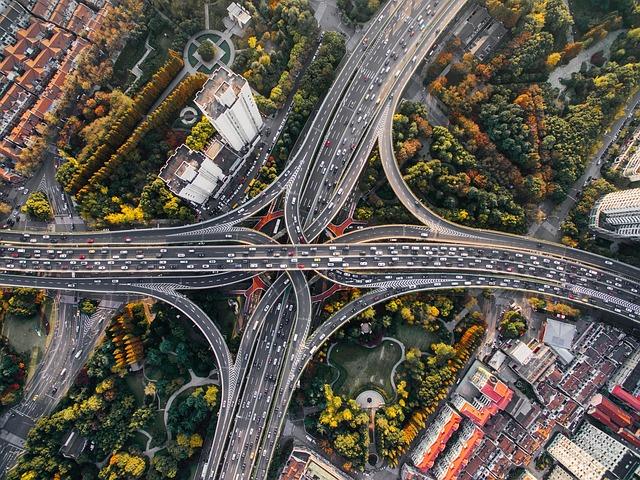
Major $30 Million Initiative to Alleviate Traffic Congestion Around Philadelphia’s Sports Complex
Philadelphia is embarking on a transformative $30 million project aimed at resolving chronic traffic congestion issues surrounding the Sports Complex, a central venue for the city’s premier sports and entertainment events. This collaborative effort between city officials and state transportation agencies is designed to streamline vehicle movement, enhance pedestrian safety, and improve transit options for thousands of daily commuters and event attendees. As the Sports Complex regularly draws large crowds, these upgrades are critical to mitigating delays and improving overall accessibility.
Comprehensive Strategy to Address Traffic Challenges Near the Sports Complex
City planners have introduced an extensive plan targeting the persistent traffic snarls that plague the Sports Complex vicinity, especially during high-attendance events. The nearly $30 million investment will be allocated toward several key infrastructure improvements, including:
- Expanding congested roadways to increase vehicle capacity and reduce bottlenecks
- Deploying cutting-edge adaptive traffic signal technology for dynamic traffic management
- Establishing exclusive lanes for shuttle buses and ride-share vehicles to expedite ingress and egress
- Enhancing pedestrian pathways and cycling infrastructure to promote safer, sustainable travel alternatives
These upgrades will be implemented in stages over the next two years, combining municipal funds with state transportation grants to ensure a coordinated approach to urban mobility challenges linked to large-scale venues.
| Project Component | Allocated Budget | Projected Completion |
|---|---|---|
| Roadway widening and resurfacing | $12 million | Q3 2025 |
| Adaptive traffic signal installation | $6 million | Q1 2025 |
| Dedicated shuttle and ride-share lanes | $5 million | Q2 2025 |
| Pedestrian and bicycle infrastructure upgrades | $4.5 million | Q4 2025 |
Enhancing Commuter Experience Through Targeted Infrastructure Investments
Officials have outlined a detailed blueprint to significantly improve the daily travel experience for residents and visitors navigating the Sports Complex area. The plan emphasizes infrastructure modernization, traffic optimization, and expanded public transit access. Key elements include:
- Construction of dedicated bus lanes to minimize delays during peak traffic periods
- Implementation of smart traffic signals that adapt in real-time to congestion patterns
- Expansion of pedestrian and bicycle networks to encourage environmentally friendly commuting options
- Upgrades to parking facilities aimed at reducing spillover congestion in surrounding neighborhoods
These improvements are expected to not only alleviate traffic jams but also support Philadelphia’s commitment to sustainable transportation as the city prepares for an increasing number of large-scale events.
| Project Element | Investment ($M) | Estimated Completion |
|---|---|---|
| Bus lane development | 12.5 | Late 2025 |
| Smart traffic signal upgrades | 8.0 | Mid 2025 |
| Pedestrian and bicycle pathway expansion | 6.0 | Early 2026 |
| Parking infrastructure improvements | 3.0 | Late 2025 |
Infrastructure Enhancements Poised to Stimulate Economic Growth
The planned upgrades include a thorough redesign of major roadways around the Sports Complex, targeting the reduction of traffic congestion that has long frustrated commuters and visitors. By widening key intersections, adding exclusive bus lanes, and integrating intelligent traffic control systems, the project aims to reduce average travel times by up to 25%, significantly improving the flow of people and goods.
Project highlights include:
- Broad Street corridor expansion with additional turning lanes to ease vehicle movement
- Installation of adaptive traffic lights utilizing real-time data analytics
- Development of pedestrian-friendly zones with enhanced crosswalks for safer foot traffic
- Extension of bike lane networks to encourage alternative, eco-conscious transportation
| Upgrade Component | Completion Target | Anticipated Benefits |
|---|---|---|
| Intersection expansion | Q4 2025 | 30% improvement in traffic flow |
| Adaptive signal system installation | Q2 2026 | 40% reduction in idle time at traffic lights |
| Pedestrian zone enhancements | Q1 2026 | Increased safety and foot traffic |
Community Input Drives Tailored Traffic Solutions
Engagement with local residents, commuters, and business owners has been a cornerstone of the planning process. Through public forums and online surveys, stakeholders voiced concerns about long wait times at intersections, hazardous pedestrian crossings, and inconsistent transit schedules. These insights have informed targeted measures such as recalibrated traffic signal timings and expanded bike lanes to improve safety and traffic flow.
Community priorities are reflected in the allocation of funds toward technology and infrastructure enhancements, including:
- Adaptive traffic control systems to cut down on unnecessary idling
- Expanded pedestrian zones near event venues to ensure safer walking environments
- Real-time traffic monitoring to enable rapid response to incidents
- Coordinated transit planning to facilitate seamless connections between different modes of transportation
| Community Concern | Proposed Solution | Expected Outcome |
|---|---|---|
| Excessive signal wait times | Adaptive traffic signals | 30% decrease in wait durations |
| Unsafe pedestrian crossings | New pedestrian bridges and crosswalks | Enhanced safety ratings |
| Transit delays and inconsistencies | Real-time transit updates | Improved commuter responsiveness |
Looking Ahead: A Smoother, Safer Commute for All
As this $30 million infrastructure project advances, residents and visitors near Philadelphia’s Sports Complex can look forward to marked improvements in traffic efficiency and accessibility. City officials stress that these upgrades not only tackle current congestion issues but also lay the groundwork for sustainable growth in the area. Construction is expected to commence shortly, with efforts focused on minimizing disruptions while delivering a modernized transportation network. Ongoing updates will be provided to keep the community informed on progress and milestones.