



Philadelphia Protest Amplifies Calls for Immigration Reform and Reevaluation of U.S. Foreign Military Engagements
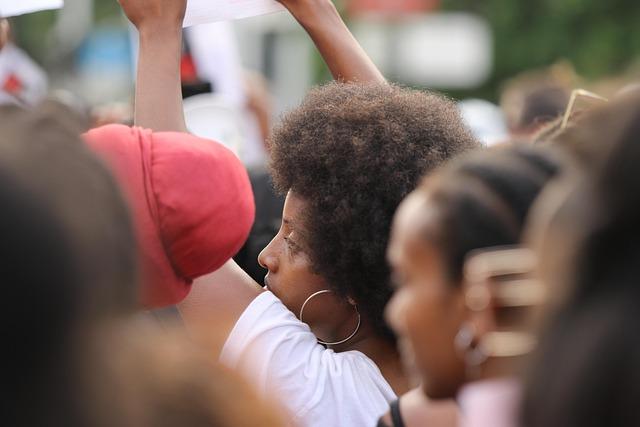
Philadelphia witnessed a powerful demonstration this past weekend, where hundreds of individuals from varied backgrounds united to protest against the enforcement practices of Immigration and Customs Enforcement (ICE) and the recent U.S. military involvement in Venezuela. Marching through central city streets, participants carried signs and chanted slogans demanding justice, reform, and respect for human rights. The event underscored the deep connections between domestic immigration policies and international military actions, emphasizing how both arenas influence America’s global standing and commitment to equity.
This rally occurred shortly after a fatal police shooting in Minneapolis reignited nationwide debates on law enforcement accountability and systemic reform. Protesters voiced several urgent demands, including:
- Comprehensive overhaul or dissolution of ICE, highlighting concerns over family separations and civil rights violations.
- Immediate cessation of U.S. military operations in Venezuela, advocating for diplomatic engagement instead of armed intervention.
- Greater transparency and responsibility in both domestic policing and foreign policy decisions.
Speakers stressed solidarity with communities impacted by immigration enforcement and geopolitical conflicts, framing these struggles as part of a broader fight against systemic violence and injustice.
| Focus Area | Protester Demand | Recent Context |
|---|---|---|
| ICE Enforcement | Disband ICE | Family separations, increased raids |
| U.S. Military in Venezuela | Withdraw troops | Ongoing deployments and tensions |
| Police Accountability | Justice for victims | Minneapolis police shooting |
Voices from Philadelphia’s Communities Demand Immigration and Foreign Policy Change
Leaders representing Philadelphia’s multicultural neighborhoods united in their call for sweeping immigration reforms and enhanced clarity in U.S. foreign policy. The protest reflected growing dissatisfaction with federal immigration enforcement methods and recent military actions abroad, particularly in Latin America. Organizers highlighted the necessity of safeguarding immigrant rights while pushing for accountability in military decisions that affect regional stability.
- Immediate suspension of ICE deportations, which many see as disproportionately targeting vulnerable families and eroding community trust.
- Diplomatic resolution over military escalation in Venezuela, emphasizing peaceful negotiations rather than armed conflict.
- Enhanced community oversight and transparency, ensuring that foreign policy aligns with human rights and ethical standards.
| Issue | Community Request | Expected Outcome |
|---|---|---|
| ICE Deportations | Moratorium and pathway to citizenship | Improved safety and trust within immigrant populations |
| Military Presence in Venezuela | Ceasefire and diplomatic engagement | Decreased regional conflict and civilian casualties |
| Policy Transparency | Regular public briefings and community involvement | Heightened civic participation and informed public |
Heightened Demands for Police Accountability in Wake of Minneapolis Tragedy
In response to the recent fatal police shooting in Minneapolis, activists have escalated their calls for stringent law enforcement reforms. Community advocates stress the necessity of addressing entrenched systemic problems through measures such as independent oversight bodies and stricter use-of-force regulations. Protesters underscored the importance of policies that protect marginalized groups and rebuild trust between law enforcement and the communities they serve.
Among the primary demands were:
- Creation of civilian oversight committees empowered with subpoena authority to investigate police misconduct thoroughly.
- Mandatory use of body-worn cameras for all officers, with footage accessible to the public to ensure transparency.
- Comprehensive de-escalation training aimed at minimizing violent encounters during police interactions.
| Reform Measure | Objective |
|---|---|
| Civilian Oversight Boards | Independent investigation and accountability |
| Body Cameras | Enhanced transparency in policing |
| De-escalation Training | Reduction of forceful confrontations |
Strategies for Local Governments to Strengthen Community Engagement and Support Systems
To build trust and foster open dialogue, local authorities should prioritize establishing consistent communication channels with communities affected by immigration enforcement and foreign military policies. Organizing regular town halls and listening sessions provides residents with safe spaces to express concerns and contribute to policymaking without fear of retaliation. Active engagement paired with ongoing follow-up efforts can bridge divides between officials and marginalized populations.
Additionally, training municipal staff in cultural competence and conflict resolution equips them to interact more effectively and empathetically with diverse community members. Collaborations with local nonprofits specializing in immigrant advocacy and mental health services can further enhance support networks. Integrating resources such as legal assistance, trauma counseling, and rapid response teams into city services demonstrates a commitment to comprehensive care.
| Initiative | Implementation Steps | Anticipated Benefits |
|---|---|---|
| Community Forums |
| Improved mutual understanding and trust |
| Partnerships with Nonprofits |
| Expanded access to critical support |
| Staff Development |
| Enhanced service delivery and reduced community tensions |
Final Thoughts on Philadelphia’s Protest and the Momentum for Change
The recent march in Philadelphia highlights the intensifying public opposition to current U.S. immigration enforcement and military interventions, especially in Latin America. In the wake of the Minneapolis shooting, calls for justice and systemic reform have gained renewed vigor. As activists prepare for upcoming demonstrations, city officials and community leaders remain attentive to these demands, recognizing the critical need for responsive and equitable policy solutions.