



How a Possible SEPTA Strike Could Disrupt Student Transportation in Philadelphia
Philadelphia’s public school system is preparing for significant challenges if SEPTA transit workers proceed with a strike. Superintendent Dr. Tony Watlington has highlighted the urgency for families, students, and school staff to stay alert and devise alternative commuting strategies. With approximately 50% of students depending on SEPTA for their daily travel to school, any interruption in transit services threatens to cause widespread attendance declines and operational difficulties throughout the district.
To address these concerns, the district is implementing several proactive steps, including:
- Partnering with neighborhood organizations to arrange substitute transportation
- Enhancing communication efforts to keep families updated on contingency plans
- Tracking attendance closely to identify and assist students impacted by transit disruptions
| Primary Concern | Likely Consequence |
|---|---|
| Student Attendance | Decline due to missed transit connections |
| School Functioning | Disruptions in schedules and staffing shortages |
| Communication with Parents | Heightened demand for timely and clear updates |
Strategies to Reduce School Commute Interruptions Amid Transit Work Stoppage
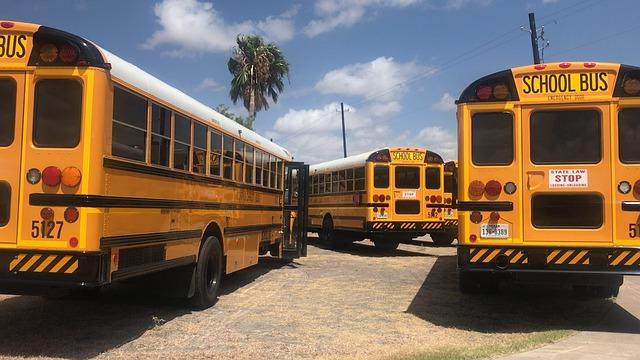
In preparation for a potential SEPTA strike, Philadelphia’s School District has developed a robust plan to safeguard student transportation and safety. This includes collaborating with private bus operators to provide supplemental shuttle services, promoting carpooling initiatives among families, and improving real-time communication channels to keep the school community informed. Furthermore, the district is expanding remote learning opportunities to ensure students can continue their education uninterrupted if physical attendance becomes challenging.
Key safety protocols and contingency initiatives include:
- Deployment of district-run buses on essential routes to fill transit gaps
- Establishment of secure waiting zones with increased supervision at bus stops
- Coordination with Philadelphia Police Department for traffic control during peak school hours
- Distribution of pedestrian safety guidelines to students who walk or bike to school
| Contingency Component | Description | Anticipated Benefit |
|---|---|---|
| Supplemental Shuttle Services | Contracted local buses to cover disrupted SEPTA routes | Minimized delays and smoother commutes |
| Remote Learning Options | Flexible online attendance for students unable to travel | Maintained academic progress |
| Traffic Management | Police oversight at intersections and crossings | Enhanced safety for students |
| Parent Communication | Real-time updates via text alerts and district website | Improved preparedness and response |
Advocating for Cooperative Negotiations to Prevent Transit Service Interruptions Affecting Education
Leaders in education and the community are calling for constructive dialogue between SEPTA management and union representatives to avert a strike. Superintendent Watlington stressed SEPTA’s vital role in providing dependable transportation for thousands of students. Without a timely agreement, many students could face significant obstacles reaching school, leading to attendance drops and interruptions in learning continuity.
Key stakeholders emphasize the necessity of cross-sector collaboration, proposing negotiation priorities such as:
- Enhanced communication frameworks between SEPTA leadership and labor unions
- Implementation of temporary contingency protocols to sustain essential transit services during talks
- Formation of joint committees to address long-term staffing and infrastructure challenges
| Stakeholder | Primary Concern | Suggested Action |
|---|---|---|
| School Superintendent | Ensuring student access to education | Advocate for strike prevention negotiations |
| Union Representatives | Protecting worker rights and safety | Seek equitable contract agreements |
| Transit Authorities | Maintaining operational stability | Develop and implement contingency plans |
Guidance for Families: Alternative Commuting Solutions During a Potential SEPTA Work Stoppage
Families are encouraged to proactively consider alternative transportation options in anticipation of a possible SEPTA strike. Practical choices such as organizing carpools with neighbors, biking, or walking can alleviate commuting challenges and help students arrive punctually. The school district also advises parents to stay informed about any temporary shuttle services or modified bus routes that may be introduced during the strike period. Being prepared and adaptable is essential to minimizing last-minute disruptions.
Below is a summary of recommended travel alternatives tailored to distance and convenience. Students residing within a mile of their school might opt for walking or cycling, while those living 1 to 3 miles away could benefit from coordinated carpools or rideshare arrangements. For distances exceeding 3 miles, families should monitor official district announcements regarding shuttle availability. Maintaining open communication with school officials about transportation needs will facilitate timely support and smoother logistics throughout the disruption.
| Proximity to School | Suggested Alternative | Additional Notes |
|---|---|---|
| Less than 1 mile | Walking or Biking | Utilize designated safe routes and bike lanes |
| 1 to 3 miles | Carpooling or Ridesharing | Coordinate with local families or school groups |
| More than 3 miles | Temporary School Shuttle Services | Refer to district updates for schedules and routes |
- Plan ahead: Evaluate transportation options well before any strike begins.
- Stay updated: Regularly check school and SEPTA communications.
- Engage community: Leverage neighborhood networks for shared rides and mutual support.
Summary: Anticipated Effects of a SEPTA Strike on Philadelphia’s Public Schools
As the possibility of a SEPTA transit strike approaches, Philadelphia’s public school system is bracing for considerable disruptions. Superintendent Watlington has voiced serious concerns regarding the potential impact on student attendance and family routines. School officials continue to advocate for a swift resolution to prevent compounded challenges in transportation and education access. The ongoing negotiations remain critical, highlighting the indispensable role of reliable transit services in supporting the city’s educational infrastructure.