



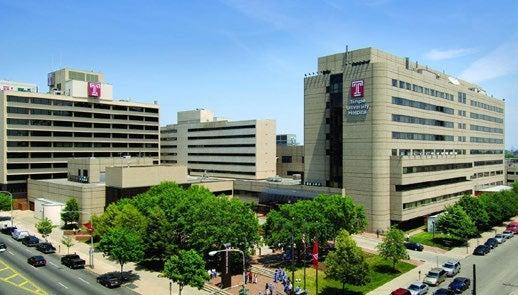
Philadelphia’s Healthcare Sector Grapples with Severe Financial Challenges in the Post-Pandemic Era
Post-Pandemic Financial Pressures on Philadelphia’s Healthcare Providers
Philadelphia’s healthcare institutions have experienced a significant financial upheaval following the COVID-19 crisis. Hospitals and health systems that once enjoyed steady operating margins are now confronting substantial fiscal deficits. This downturn is driven by a combination of soaring labor expenses, persistent supply chain bottlenecks, and a surge in uncompensated care. The cancellation of elective surgeries and the necessity for increased spending on essential medical supplies and staff overtime have further tightened budgets, forcing healthcare providers to operate under stringent financial constraints.
Primary financial challenges impacting Philadelphia’s health systems include:
- Escalating labor costs due to workforce shortages and hazard pay requirements
- Revenue declines stemming from deferred elective procedures and routine outpatient visits
- Increased demand for COVID-19 related treatments with limited reimbursement options
- Operational shifts to comply with evolving public health mandates
| Health System | Operating Margin (2019) | Operating Margin (2023) | Percentage Decline |
|---|---|---|---|
| Jefferson Health | 7.8% | 2.1% | 73% |
| Temple Health | 6.3% | 1.5% | 76% |
| University of Pennsylvania Health System (UPHS) | 8.0% | 2.9% | 64% |
Dissecting the Core Causes Behind the Decline in Operating Margins
The steep drop in operating margins among Philadelphia’s health systems can be attributed to a confluence of factors. Labor costs have surged dramatically, fueled by overtime pay and hazard bonuses during COVID-19 peaks. Simultaneously, supply chain interruptions have driven up prices for critical medical equipment and personal protective gear. The early pandemic suspension of elective surgeries eliminated a crucial revenue source, intensifying financial strain.
Other significant contributors include:
- Substantial investments in telemedicine platforms, often with inadequate reimbursement
- Escalating expenses for PPE amid global shortages and price volatility
- Increased regulatory compliance and administrative burdens inflating operational costs
| Factor | Effect on Margins | Estimated Cost Increase (%) |
|---|---|---|
| Labor Costs | Primary financial pressure due to overtime and hazard pay | 25% |
| Supply Chain Issues | Increased costs for PPE and medical devices | 18% |
| Elective Procedure Suspension | Significant revenue loss | -30% |
Consequences for Patient Care and Workforce Stability
The financial downturn has had a cascading impact on patient services throughout Philadelphia’s healthcare network. Budgetary limitations have compelled hospitals to curtail elective surgeries, scale back specialty care, and postpone critical infrastructure improvements. These cutbacks have led to longer patient wait times, reduced treatment options, and increased strain on emergency departments, adversely affecting both patient experience and clinical outcomes.
Compounding these issues, staffing shortages have emerged as a critical bottleneck. Healthcare facilities are struggling to attract and retain qualified personnel, resulting in:
- Extended overtime hours for existing staff members
- Elevated burnout rates and increased employee turnover
- Lower patient-to-staff ratios, diminishing personalized care quality
The following table presents recent data highlighting these workforce and patient care challenges:
| Metric | Pre-Pandemic (2019) | Current (2023) |
|---|---|---|
| Nurse Vacancy Rate | 7% | 18% |
| Average Patient Wait Time (hours) | 2.1 | 4.7 |
| Elective Procedures Deferred | 1,200 | 4,500 |
Innovative Strategies for Financial Stabilization and Long-Term Viability
In response to these financial challenges, Philadelphia’s health systems are adopting comprehensive strategies aimed at restoring fiscal health while enhancing care delivery. Leadership teams are focusing on a balanced approach that combines immediate cost containment with strategic investments in technology and community health programs. Transparency in financial management is prioritized, with efforts to renegotiate supplier agreements and streamline administrative processes to improve efficiency.
Moreover, healthcare providers are harnessing digital innovations such as telehealth expansion and advanced data analytics to improve patient outcomes and reduce unnecessary expenditures. Key initiatives include:
- Redirecting resources toward departments and programs with the highest impact on patient wellness
- Forging partnerships with local organizations to bolster preventive care and reduce hospital admissions
- Implementing value-based payment models that incentivize quality over volume
- Enhancing staff training to boost operational productivity and patient engagement
| Initiative | Projected Outcome | Implementation Timeline |
|---|---|---|
| Supplier Contract Renegotiations | Cut supply expenses by 15% | 6 to 12 months |
| Telehealth Service Expansion | Boost patient access by 30% | 12 to 18 months |
| Preventive Care Programs | Reduce hospital readmissions by 10% | 18 to 24 months |
Summary and Outlook
As Philadelphia’s healthcare systems continue to contend with the financial repercussions of the COVID-19 pandemic, the dramatic erosion of operating margins highlights the critical need for adaptive strategies and sustained support. Rising operational costs coupled with fluctuating patient volumes present ongoing challenges to the viability of local healthcare infrastructure. The coming months will be pivotal as stakeholders monitor how these institutions innovate and restructure to maintain essential healthcare services for the community.