



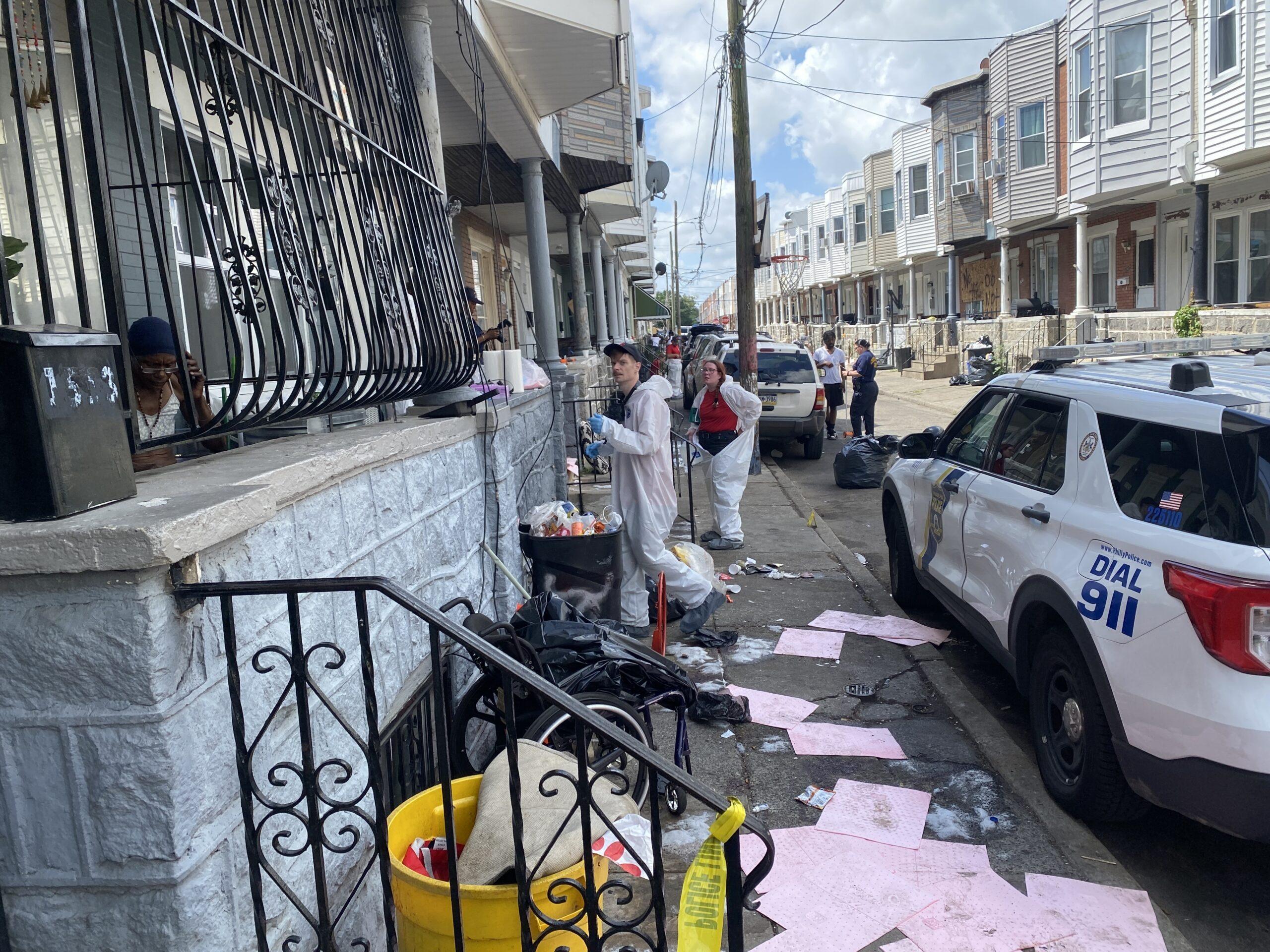
Philadelphia’s Innovative Crime Scene Cleanup Initiative: Progress, Community Impact, and Future Directions
Evaluating the First Year of Philadelphia’s Crime Scene Remediation Effort
Philadelphia’s pioneering Crime Scene Cleanup Initiative, launched just over a year ago, has made significant strides in addressing the complex challenges of biohazard remediation following violent incidents. This program not only focuses on the meticulous decontamination of affected properties but also plays a vital role in supporting the emotional recovery of victims and their families. By collaborating closely with law enforcement agencies and social service providers, the initiative ensures a coordinated and compassionate response to crime scenes, promoting both public health and community resilience.
Despite its successes, the program faces ongoing hurdles, particularly in managing the growing demand for cleanup services amid limited staffing and resources. To address these challenges, program administrators are actively considering expansion strategies aimed at enhancing operational capacity and service delivery. Key areas targeted for improvement include:
- Advanced Trauma-Informed Training: Equipping cleanup teams with specialized education to sensitively handle the psychological aspects of crime scene remediation.
- Expanded Public Awareness: Launching outreach initiatives to better inform residents about available cleanup services and support mechanisms.
- Digital Innovations: Implementing technology-driven solutions such as mobile apps for rapid incident reporting and efficient dispatching of cleanup crews.
| Year | Number of Cleanups | Staff Count | Community Training Sessions |
|---|---|---|---|
| 2023 | 256 | 15 | 8 |
| 2024 (Forecast) | 320 | 25 | 15 |
Community Engagement and Endorsement for Program Growth
Residents across Philadelphia have expressed strong support for the program’s expansion, recognizing its essential role in restoring safety and dignity to neighborhoods affected by violent crime. Community advocates highlight the initiative’s dual impact: swiftly removing hazardous materials and fostering a sense of closure and healing among impacted families.
Various local groups are actively partnering with city officials to prioritize areas most in need of cleanup services. Their contributions include:
- Neighborhood Coalitions: Collaborating to identify hotspots requiring urgent attention.
- Families of Victims: Voicing appreciation for the empathetic and professional approach of cleanup teams, while advocating for broader access.
- Volunteer Networks: Organizing fundraising and awareness campaigns to supplement city efforts.
| Support Entity | Contribution to Expansion | Notable Feedback |
|---|---|---|
| Community Councils | Identifying priority cleanup zones | “Focus resources where they are most needed” |
| Philadelphia Health Department | Setting safety and sanitation standards | “Maintain rigorous health protocols” |
| Local Enterprises | Providing financial sponsorships | “Invest in cleaner, safer neighborhoods” |
Optimizing Operations: Strategies for Greater Efficiency and Resource Management
To enhance the program’s effectiveness while navigating resource constraints, leaders are adopting innovative approaches that emphasize rapid response and inter-agency cooperation. Utilizing data analytics to identify crime scene clusters enables more strategic deployment of personnel and equipment, reducing turnaround times and improving service quality.
Strengthening partnerships with nonprofit organizations and volunteer groups further expands the program’s capacity without significantly increasing costs. Among the key initiatives under consideration are:
- Deploying mobile command centers equipped with live tracking systems to coordinate cleanup efforts in real time.
- Implementing optimized routing algorithms based on incident density to minimize travel time and maximize coverage.
- Developing comprehensive training programs that prepare responders for multiple roles, including trauma support and technical cleanup.
These measures aim not only to streamline operations but also to elevate safety standards and deepen community involvement, setting a benchmark for other municipalities confronting the aftermath of violent crimes.
Policy Initiatives to Bolster Public Health and Safety in Crime Scene Remediation
For Philadelphia’s Crime Scene Cleanup Program to thrive and scale effectively, targeted policy interventions are essential. Increased investment in workforce training and certification will ensure that cleanup crews are equipped with the latest trauma-informed and biohazard handling techniques. Establishing uniform statewide regulations for crime scene sanitation and mental health support will further enhance operational consistency and worker welfare.
Moreover, fostering robust collaborations with community organizations can improve transparency, build public trust, and guarantee timely, compassionate service delivery. Regular public reporting on program outcomes will be critical to maintaining accountability and securing ongoing funding.
Recommended policy actions include:
- Mandating trauma-sensitive training modules for all cleanup personnel.
- Securing dedicated funding through municipal budgets and grant programs focused on crime scene remediation.
- Forming a multi-agency task force to coordinate cleanup operations, public health outreach, and community engagement.
- Integrating accessible mental health resources for both survivors and cleanup workers to reduce burnout and promote healing.
| Policy Area | Proposed Action | Anticipated Benefit |
|---|---|---|
| Training & Certification | Standardized trauma-informed education | Improved cleanup quality and worker safety |
| Funding | Dedicated municipal and grant allocations | Long-term program viability and growth |
| Inter-Agency Collaboration | Establishment of a coordinated task force | Efficient resource sharing and response |
| Mental Health Support | Provision of counseling and support services | Reduced staff burnout and enhanced community recovery |
Conclusion: Charting the Future of Crime Scene Cleanup in Philadelphia
As Philadelphia’s Crime Scene Cleanup Initiative nears its first anniversary, the program’s early achievements highlight its critical role in addressing the aftermath of violent crime. With growing community backing and strategic plans for expansion, the city is poised to extend these vital services to more neighborhoods, offering both practical remediation and emotional support to those affected. The evolution of this program will serve as a key indicator of Philadelphia’s commitment to fostering safer, healthier communities and setting a precedent for other cities confronting similar challenges.