



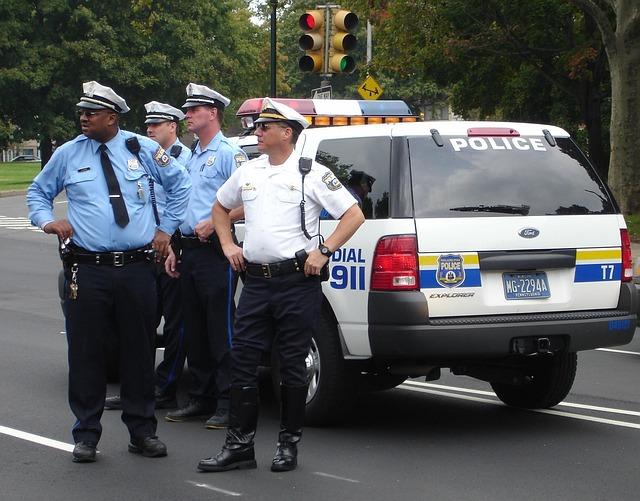
Philadelphia’s Rigorous Investigation Uncovers Truth Behind Fatal Hit-and-Run
Detailed Timeline Reconstruction Unveils Crucial Clues
Over a span of 16 months, Philadelphia law enforcement painstakingly reconstructed the sequence of events surrounding a devastating hit-and-run that deeply impacted the local community. By integrating data from surveillance cameras, mobile device records, and eyewitness narratives, investigators successfully traced the suspect’s movements before and after the tragic collision. This comprehensive approach combined classic detective techniques with cutting-edge digital forensics, illustrating how modern investigations rely on a fusion of methodologies to unravel complex cases.
Key breakthroughs emerged from this timeline reconstruction, including:
- Synchronization of timestamps: Aligning video footage from various sources enabled precise mapping of the suspect’s route.
- Analysis of mobile data: Cell tower pings helped pinpoint the suspect’s location during critical intervals.
- Cross-examination of witness accounts: Comparing multiple testimonies filtered out discrepancies and reinforced reliable information.
- Forensic vehicle identification: Examination of debris at the scene narrowed down the make and model of the involved car.
| Type of Evidence | Significant Discovery | Effect on Investigation |
|---|---|---|
| Surveillance Videos | Vehicle spotted near accident location | Verified suspect’s presence at scene |
| Cell Phone Records | Location data aligned with timeline | Supported suspect’s movement pattern |
| Physical Evidence | Paint fragments matched vehicle type | Helped identify suspect’s car |
| Eyewitness Reports | Consistent descriptions and timing | Strengthened prosecution’s case |
Forensic Science and Eyewitness Accounts: Pillars of the Inquiry
Forensic specialists played an indispensable role in piecing together the physical evidence from the crash site. Utilizing advanced technologies such as 3D crime scene reconstruction and chemical residue analysis, experts were able to determine the vehicle’s speed and impact location with remarkable accuracy. These scientific methods not only identified the probable make and model of the car but also eliminated numerous misleading leads that initially complicated the investigation.
Complementing the forensic data, multiple witness interviews provided essential context and helped validate the physical findings. Law enforcement engaged with residents and passersby who either saw or heard the collision, weaving together their accounts to establish a detailed timeline. These firsthand observations were crucial in narrowing down suspect vehicles and confirming key timestamps during the chaotic aftermath of the incident. The integration of forensic science and human testimony proved vital in building a robust case.
- 3D Scene Reconstruction: Allowed precise visualization of the accident dynamics.
- Tire Track Analysis: Confirmed vehicle speed and trajectory.
- Residue Testing: Linked suspect vehicle to the victim’s injuries.
- Multiple Witness Statements: Cross-checked for accuracy and consistency.
| Evidence Type | Contribution to Case |
|---|---|
| Vehicle Debris | Matched damage patterns to suspect’s car |
| Eyewitness Testimonies | Helped establish timeline and vehicle description |
| Residue Analysis | Confirmed contact between vehicle and victim |
| Tire Mark Examination | Reconstructed vehicle’s path after impact |
Obstacles in Securing Surveillance and Traffic Camera Evidence
The prolonged investigation was partly due to significant difficulties in acquiring vital footage from traffic and security cameras. Despite Philadelphia’s extensive network of public and private surveillance systems, investigators faced numerous barriers including legal restrictions, technical incompatibilities, and bureaucratic delays. Requests for footage had to be routed through multiple agencies, private businesses, and homeowners, each with their own protocols and privacy concerns.
Many cameras retained recordings for only a short period, often overwriting data within days, which created urgency in retrieving evidence before it was irretrievably lost. Privacy laws mandated strict adherence to data protection standards, requiring multiple approvals and compliance checks that further slowed the process. Additionally, the diversity in video formats and quality necessitated specialized forensic enhancement to synchronize and clarify footage from disparate sources, enabling a coherent reconstruction of events.
| Challenge | Description | Effect on Investigation |
|---|---|---|
| Limited Access | Legal and procedural barriers to obtaining footage from private properties. | Delayed collection of critical evidence. |
| Data Retention Limits | Automatic deletion policies on many surveillance systems. | Risk of losing essential video evidence. |
| Technical Disparities | Varied video formats and inconsistent quality. | Extended time required for video enhancement and analysis. |
| Privacy Compliance | Strict data protection regulations necessitating multiple approvals. | Prolonged evidence processing timelines. |
Strategies to Enhance Hit-and-Run Investigations and Public Safety
To expedite the resolution of hit-and-run cases and bolster community safety, law enforcement agencies must adopt innovative investigative tools and foster stronger community partnerships. Implementing technologies such as automated license plate recognition (ALPR) systems, expanding high-definition surveillance coverage, and utilizing AI-powered accident reconstruction software can significantly improve the speed and accuracy of suspect identification.
Moreover, establishing dedicated traffic crime units staffed with specialists trained in hit-and-run dynamics can enhance investigative focus and victim support. Community-driven initiatives are equally vital, including:
- Public education campaigns emphasizing the severe consequences of fleeing accident scenes
- Collaborations with neighborhood watch programs and local businesses to encourage prompt reporting
- Upgrading street lighting and creating pedestrian-friendly zones in areas with high accident rates
- Publishing transparent, real-time data dashboards on hit-and-run incidents to raise awareness and vigilance
| Focus Area | Anticipated Benefit |
|---|---|
| Advanced Surveillance Systems | Accelerated identification of offenders |
| Specialized Traffic Crime Units | Higher case resolution rates and accuracy |
| Community Awareness Programs | Increased public cooperation and prevention |
| Infrastructure Improvements | Reduced accident hotspots and pedestrian injuries |
Conclusion: Commitment to Justice and Safer Streets
The extensive 16-month inquiry into this fatal hit-and-run case exemplifies the unwavering commitment of Philadelphia’s police force to deliver justice and closure for victims’ families. Through a blend of meticulous evidence collection, forensic innovation, and community collaboration, authorities successfully identified and apprehended the individual responsible. This case highlights the critical importance of thorough investigative practices in addressing violent traffic crimes and underscores the ongoing need for public involvement to enhance safety citywide. Philadelphia law enforcement continues to urge residents to report any information that could aid in solving similar incidents and protecting the community.