



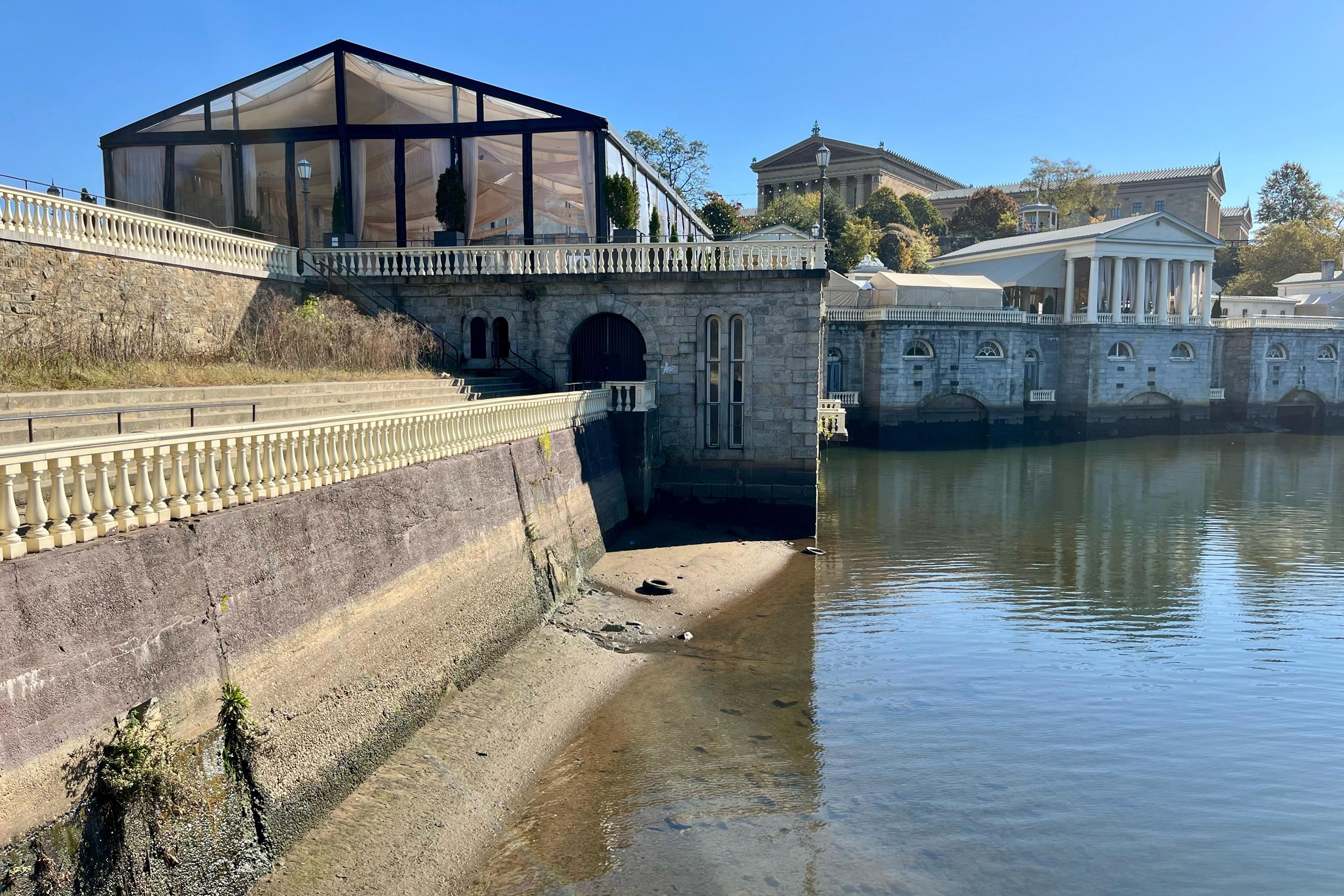
Philadelphia’s Waterways: Confronting the Persistent Sewage Pollution Crisis
Historical Infrastructure Challenges Fueling Philadelphia’s Sewage Overflow
Philadelphia’s waterways have long served as essential lifelines, offering drinking water, wildlife habitats, and recreational spaces. However, the city’s sewage overflow dilemma is deeply entrenched in its antiquated infrastructure, much of which dates back over a century. Constructed in the late 1800s and early 1900s, these systems were never engineered to accommodate today’s urban population or environmental standards. The combined sewer system, which channels both stormwater and sewage through the same pipes, frequently becomes overwhelmed during heavy precipitation events, causing untreated sewage to spill directly into rivers and streams.
The aging network faces multiple critical issues:
- Degraded pipelines and persistent leaks that release raw sewage into natural waterways.
- Insufficient capacity to manage storm surges, leading to frequent combined sewer overflows (CSOs).
- Outdated monitoring and maintenance practices that hinder timely detection and repair.
Below is an overview of key components of Philadelphia’s sewage infrastructure, highlighting their age, capacity, and current condition:
| Infrastructure Component | Year Constructed | Design Capacity (MGD)* | Current Condition |
|---|---|---|---|
| Combined Sewer Network | 1890s | 250 | Worn, frequent overflows |
| Main Treatment Facility | 1930 | 180 | Operational but overwhelmed |
| Stormwater Tunnel System | 1950s | 120 | Partially obsolete, requires expansion |
*MGD = Million Gallons per Day
Environmental and Health Impacts of Raw Sewage Discharges
The release of untreated sewage into Philadelphia’s rivers and streams triggers a cascade of detrimental effects on ecosystems and human health. Raw wastewater contains harmful bacteria, viruses, and excessive nutrients that can cause outbreaks of illnesses such as giardiasis, hepatitis A, and E. coli infections. These contaminants also render recreational waters unsafe, leading to closures of popular swimming and fishing areas, which diminishes community enjoyment and local economies.
Moreover, nutrient overloads from sewage spur the growth of toxic algal blooms, which deplete oxygen in the water and result in widespread fish mortality. This disrupts aquatic biodiversity and undermines the ecological balance of the region’s waterways.
Key consequences include:
- Compromised drinking water sources: Even treated water can carry residual contaminants, posing health risks.
- Economic setbacks: Declines in commercial fishing and tourism due to polluted waters.
- Persistent soil and groundwater contamination: Toxic substances accumulate, threatening long-term environmental health.
| Impact | Description | Annual Estimates |
|---|---|---|
| Waterborne Diseases | Increased hospitalizations and outbreaks | Over 3,000 cases |
| Fish Population Decline | Loss of native species in key waterways | Severe in 5 major rivers |
| Algal Bloom Events | Oxygen depletion and toxin production | Approximately 12 occurrences annually |
Barriers in Policy and Financing That Stall Sewage System Improvements
The persistent sewage overflow problem in Philadelphia is exacerbated by outdated regulations and fragmented governance. Although federal laws mandate reductions in sewage discharges, local policies have struggled to keep pace with the city’s infrastructure demands. Coordination among municipal agencies is often disjointed, complicating comprehensive planning and enforcement efforts. This results in incremental fixes rather than the large-scale upgrades necessary to resolve the crisis.
Financial constraints further hinder progress. The estimated cost to modernize Philadelphia’s combined sewer system runs into the billions, yet budget limitations and competing priorities restrict available funding. Key financial challenges include:
- Dependence on temporary grants instead of consistent funding streams.
- Complex eligibility requirements that delay project approvals.
- Limited engagement with private sector partners to supplement public investment.
| Challenge | Effect | Current Status |
|---|---|---|
| Regulatory Outmodedness | Slow pace of infrastructure upgrades | Under evaluation |
| Funding Deficits | Delays and scaling back of projects | Ongoing |
| Interagency Fragmentation | Disjointed response and planning | Needs enhancement |
Emerging Innovations and Grassroots Efforts Driving Waterway Restoration
Philadelphia is actively exploring innovative approaches to mitigate sewage pollution and restore its waterways. A cornerstone of these efforts is the implementation of green infrastructure solutions that manage stormwater at its source. Techniques such as bioswales, permeable pavements, and expanded urban forestry reduce runoff volumes and slow water flow, thereby decreasing the frequency and severity of combined sewer overflows.
Beyond technological advances, community involvement has become a vital force in water quality improvement. Local residents and environmental groups are increasingly engaged in monitoring pollution, advocating for policy changes, and organizing cleanup initiatives. Notable community-driven actions include:
- Citizen-led water sampling programs that provide real-time data on pollution levels.
- Public education campaigns focused on reducing household pollutants and conserving water.
- Volunteer riverbank restoration projects that remove trash and invasive plants.
These collaborative efforts demonstrate that combining innovative infrastructure with active public participation is essential for sustainable waterway health.
Looking Ahead: A Call for Comprehensive Action to Protect Philadelphia’s Waterways
The ongoing discharge of untreated sewage into Philadelphia’s rivers and streams represents a pressing environmental and public health crisis. Addressing this issue requires a multifaceted approach that includes modernizing aging infrastructure, updating regulatory frameworks, securing stable funding, and fostering community engagement. As climate change intensifies storm events, the urgency to implement resilient and adaptive solutions grows even stronger.
Transparent governance, increased investment, and grassroots involvement will be crucial in reversing the trend of water pollution. Without decisive and coordinated action, Philadelphia’s waterways will continue to suffer from contamination, threatening the well-being of residents and the vitality of local ecosystems for generations to come.