



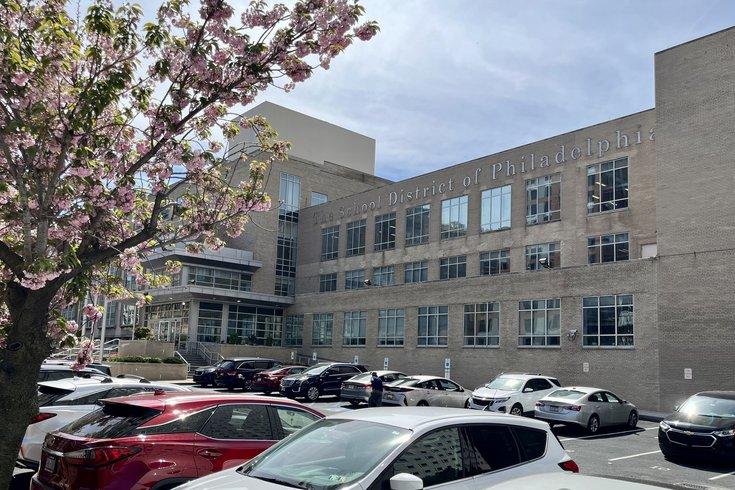
Understanding the Disconnect Between College Aspirations and Enrollment Among Philadelphia Students
Although many students in Philadelphia express a strong desire to pursue higher education, a considerable portion of these hopefuls never actually enroll in college. This persistent issue highlights the complex challenges and obstacles that hinder young Philadelphians from fulfilling their academic ambitions. This article explores the multifaceted reasons behind this enrollment gap—from financial hardships to systemic inequities—and proposes actionable strategies to support more students in successfully transitioning from high school to college.
Key Challenges Hindering College Enrollment for Philadelphia Youth
Economic Hardships and the Lack of Support Networks
Financial instability remains a dominant factor influencing college enrollment decisions among Philadelphia students. Many families face difficult trade-offs between meeting immediate household needs and investing in higher education. For low-income households, even seemingly minor expenses—such as application fees, test preparation materials, or transportation—can become prohibitive. Without access to substantial scholarships or clear financial guidance, students often confront a confusing and intimidating funding landscape alone.
Compounding these economic challenges is the scarcity of comprehensive support systems. Schools with limited counseling staff and underfunded community programs frequently cannot provide the personalized assistance students need to navigate college admissions. Recent studies indicate that students with access to dedicated college counselors are approximately 40% more likely to enroll in postsecondary education. Mentorship programs, FAFSA workshops, and peer support networks are vital in closing information gaps, yet many districts lack these resources, underscoring the urgent need for targeted investments.
| Influencing Factor | Effect on College Enrollment |
|---|---|
| Household Financial Limitations | High – Often results in delayed or forgone enrollment |
| Access to College Counseling | Medium to High – Boosts likelihood of matriculation |
| Availability of Scholarships | Medium – Helps alleviate financial burdens |
| Community-Based Support Programs | Medium – Essential for guidance and motivation |
- Economic pressures often push students toward immediate employment instead of continuing education.
- Limited mentorship opportunities restrict awareness of application and aid processes.
- Under-resourced schools struggle to offer tailored college preparation services.
Strategies for High Schools to Facilitate College Enrollment
Although many Philadelphia high schoolers express a clear intent to attend college, the journey from aspiration to enrollment is fraught with challenges. Schools can serve as pivotal agents of change by establishing targeted support mechanisms that directly address these obstacles. Early and consistent college advisement programs, starting as soon as freshman year, can provide students with ongoing, personalized guidance. Effective initiatives might include:
- Individualized counseling sessions to tailor college plans and clarify application requirements.
- Financial aid workshops designed to simplify FAFSA completion and scholarship applications.
- Collaborations with local universities to facilitate campus visits and direct engagement with admissions staff.
Moreover, schools can utilize data analytics to identify students at risk of not enrolling despite their intentions. By monitoring application progress and enrollment confirmations, counselors can intervene proactively. The table below outlines common challenges alongside effective school-led solutions:
| Challenge | School-Based Solution |
|---|---|
| Uncertainty about application deadlines | Automated reminders and detailed timeline calendars |
| Complexity of financial aid processes | Specialized workshops and FAFSA assistance sessions |
| Limited family experience or support | Family engagement events and informational nights |
| Transportation challenges for campus visits | Organized school tours and virtual campus experiences |
Policy Initiatives to Enhance College Access and Completion
Closing the gap between college aspirations and actual enrollment demands comprehensive policy reforms aimed at dismantling systemic barriers and strengthening student support. A critical step involves expanding college counseling services in high schools to provide tailored assistance throughout the application and financial aid processes. Additionally, broadening access to dual enrollment programs enables students to earn college credits while still in high school, fostering early engagement with higher education.
Reducing financial obstacles through transparent, need-based aid programs is essential to prevent talented students from abandoning their college plans due to cost concerns. Equally important is fostering strong partnerships between K-12 districts and local colleges to align curricula and readiness standards. Enhanced data sharing between institutions can facilitate timely interventions and better track student outcomes. The table below highlights key policy levers and their anticipated impacts:
| Policy Focus | Objective | Expected Result |
|---|---|---|
| Expanded College Counseling | Personalized student guidance | Higher rates of application completion |
| Dual Enrollment Opportunities | Early exposure to college coursework | Increased matriculation rates |
| Financial Aid Transparency | Clearer understanding of affordability | Reduced hesitation to enroll |
| K-12 and Higher Education Collaboration | Curriculum alignment and readiness | Smoother college transitions |
Conclusion: Turning College Dreams into Reality for Philadelphia Students
As Philadelphia continues to confront educational challenges, it is vital to address the persistent gap between students’ college ambitions and their actual enrollment. Overcoming financial, informational, and systemic barriers requires a concerted effort from schools, families, and policymakers alike. Through strategic investments in counseling, support programs, and policy reforms, more Philadelphia students can successfully navigate the path to higher education—enhancing their future opportunities and contributing to the city’s long-term prosperity.