



Reviving Respectful Political Dialogue in a Divided Era
Decline of Respectful Communication in Contemporary Politics
In recent decades, the art of courteous political conversation has deteriorated significantly. What was once a cornerstone of democratic interaction—thoughtful and respectful debate—has been overshadowed by a surge in hostile exchanges, misinformation, and personal attacks. The rise of digital platforms, while democratizing access to political discourse, has also contributed to deepening divisions by fostering echo chambers that discourage nuanced discussion. This environment not only distances voters but also hampers lawmakers’ ability to find common ground on pressing issues.
Primary Contributors to This Downturn Include:
- Continuous News Cycle: The pressure for instant reactions often prioritizes sensational headlines over meaningful analysis.
- Algorithm-Driven Social Media: Platforms are engineered to maximize engagement by amplifying emotionally charged and divisive content.
- Intense Partisan Allegiance: Loyalty to political parties frequently eclipses commitment to truth and respectful exchange.
| Time Period | Characteristics | Effect on Political Dialogue |
|---|---|---|
| 1950s–1970s | Formal debates, respectful disagreements | Promoted bipartisan collaboration |
| 1990s–2000s | Emergence of partisan media, sharper rhetoric | Heightened polarization and distrust |
| 2010s–Present | Social media-fueled confrontations | Increased societal divisions and political disengagement |
Consequences of Political Incivility on Public Confidence and Civic Participation
The deterioration of respectful political dialogue has far-reaching implications beyond mere disagreements. It significantly undermines public confidence in elected representatives and democratic institutions, fostering widespread voter disengagement and cynicism. Citizens increasingly doubt not only individual politicians but also the legitimacy of democratic mechanisms themselves. Research indicates that exposure to hostile political rhetoric correlates with lower rates of voter turnout and diminished involvement in community decision-making processes.
Notable Impacts Include:
- Reduced electoral participation
- Amplified social and political polarization
- Decreased openness to bipartisan conversations
- Growing skepticism toward media and government bodies
These dynamics collectively weaken democratic institutions, making effective governance more challenging and leaving citizens feeling unheard. The table below summarizes recent survey findings on how incivility affects public attitudes:
| Area Affected | Percentage Impacted | Outcome |
|---|---|---|
| Government Trust | 57% | Marked decline |
| Voter Participation | 42% | Lower likelihood to vote |
| Political Openness | 48% | Less receptive to opposing views |
Approaches to Cultivating Respectful Political Engagement Among Leaders
Reinstating civility within political leadership begins with prioritizing active listening and fostering a culture where divergent opinions are genuinely considered rather than dismissed. This requires politicians to move beyond partisan posturing and engage with the goal of understanding differing perspectives. Establishing consistent, moderated bipartisan forums can provide essential spaces for collaboration, enabling policymakers to unite around shared objectives and rebuild trust through cooperative efforts.
Institutional reforms are equally critical. Implementing transparent accountability measures and adopting formal codes of conduct can set clear expectations for respectful behavior. The following table outlines actionable strategies political institutions can adopt to improve the tone and quality of political discourse:
| Initiative | Description | Anticipated Benefit |
|---|---|---|
| Behavioral Guidelines | Establishing formal rules for respectful communication | Clarifies acceptable conduct and discourages incivility |
| Cross-Party Workshops | Facilitated sessions to encourage cooperation | Enhances mutual respect and teamwork |
| Public Transparency Reports | Regular updates on dialogue standards and progress | Builds public trust through openness |
| Conflict Resolution Panels | Neutral groups to mediate disputes | Prevents escalation and fosters resolution |
Local Efforts Advancing Civil Political Conversations in Philadelphia
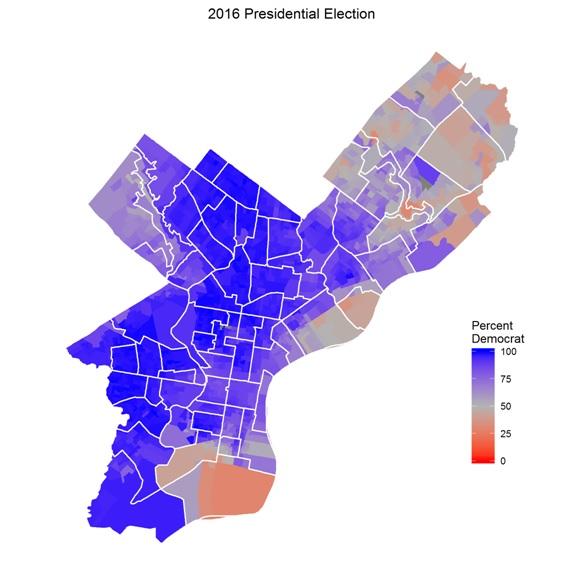
Philadelphia has witnessed a growing wave of community-driven initiatives aimed at transforming political engagement by emphasizing respect and attentive listening. Groups such as City Voices Collective and Dialogue for Democracy organize frequent town hall meetings that prioritize structured, moderated discussions, ensuring all participants—regardless of political affiliation—have equal opportunities to contribute. These forums promote transparency and encourage empathetic examination of divisive topics, helping to rebuild confidence in local governance.
Innovative methods employed by these organizations include:
- Conflict Mediation Training: Volunteers learn techniques to facilitate constructive conversations and de-escalate tensions.
- Virtual Discussion Platforms: Online moderated spaces that allow broader community participation beyond physical meetings.
- Youth Civic Education: School-based programs teaching young people the skills of respectful debate and critical thinking.
| Program | Focus | Measured Impact |
|---|---|---|
| City Voices Collective | Community Town Halls | 30% increase in resident participation |
| Dialogue for Democracy | Online Moderated Debates | Over 60 sessions conducted |
| Civic Youth Workshops | Educational Outreach | Engaged 250+ students |
Final Thoughts: The Path Forward for Civil Political Engagement
As political divisions deepen, the quest to restore civility in public discourse becomes increasingly urgent. The insights from Philadelphia’s experience highlight both the obstacles and opportunities inherent in this endeavor. While rebuilding a culture of respectful dialogue is undoubtedly complex, it remains vital for the vitality of democracy. By embracing empathy, transparency, and collaborative problem-solving, both leaders and citizens can work together to mend fractured political relationships and foster a more inclusive, effective governance system.