



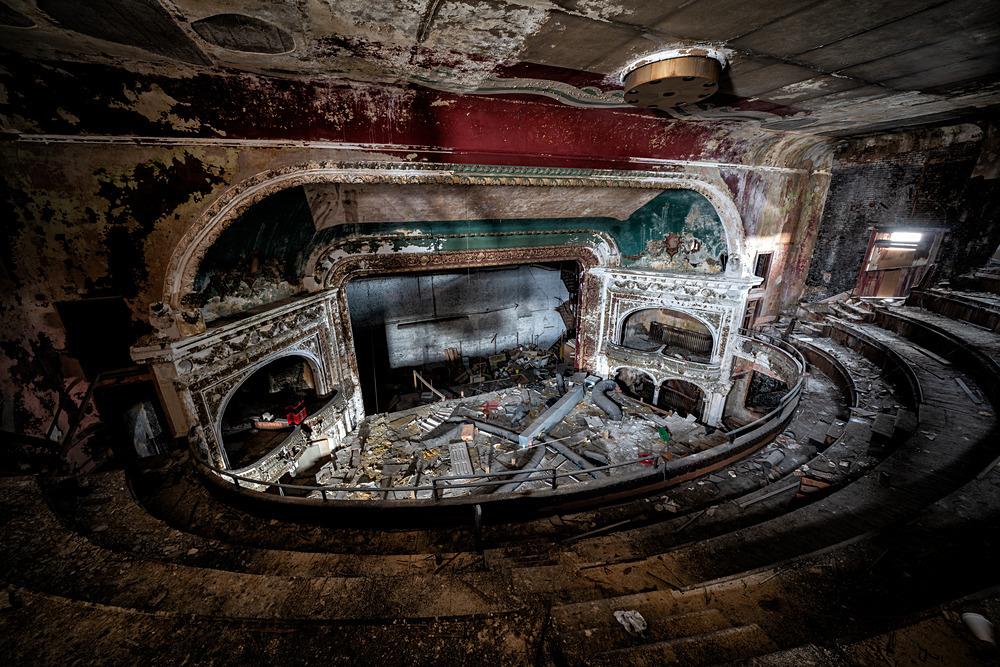
Philadelphia’s Forgotten Cinematic Treasures: A Journey Through Time
Philadelphia’s cinematic past is rich with magnificent theaters and neighborhood cinemas that once thrived as vibrant centers of community life. Over the decades, many of these treasured venues have slipped into obscurity, their histories slowly fading from public memory. This article explores the fascinating story of Philadelphia’s lost movie theaters—their origins, cultural importance, and the factors that led to their decline. Drawing on archival materials and personal recollections, we revisit the theaters that once defined the city’s entertainment scene and consider the implications of their disappearance on Philadelphia’s cultural identity.
From Opulence to Obsolescence: The Story of Philadelphia’s Grand Movie Theaters
In the early 1900s, Philadelphia was home to a dazzling array of movie palaces that were architectural masterpieces and social gathering spots. The Boyd Theatre, Stanley Theatre, and others attracted audiences with their elaborate designs, featuring ornate plasterwork, sweeping marquees, and luxurious interiors. These theaters were not merely places to watch films; they offered an immersive experience complete with live orchestras, elegant Art Deco lobbies, and plush seating that transformed moviegoing into a cherished ritual.
However, the mid-20th century brought significant changes. The emergence of suburban multiplexes and the rise of affordable home entertainment options in the 1960s and 70s led to a sharp decline in patronage. Many grand theaters succumbed to neglect, were repurposed, or demolished, erasing physical reminders of Philadelphia’s cinematic golden age. The table below outlines some of these iconic venues and their current status:
| Theater | Year Opened | Present Condition |
|---|---|---|
| Boyd Theatre | 1928 | Demolished; site redeveloped |
| Stanley Theatre | 1921 | Closed; restoration pending |
| Ritz Five | 1940 | Repurposed as retail space |
| Ambassador Theatre | 1929 | Demolished |
Today, preservation advocates and historians are working tirelessly to revive interest in these cinematic landmarks. Through restoration initiatives, public education, and adaptive reuse, they aim to preserve the architectural and cultural legacy of Philadelphia’s movie palaces, ensuring their stories continue to resonate.
Architectural Masterpieces Lost to Progress and Time
Philadelphia’s historic theaters were architectural jewels, showcasing styles such as Art Deco, Beaux-Arts, and Neoclassical design. Their facades often featured intricate terra cotta ornamentation and grand marquees that illuminated city streets, creating a captivating visual spectacle. Inside, patrons were greeted by lavish plaster ceilings, hand-crafted chandeliers, and murals that elevated the cinematic experience into an artistic event.
Unfortunately, decades of urban renewal and commercial development have led to the disappearance of many of these structures, replaced by generic buildings lacking the character and charm of their predecessors. The following table highlights some notable theaters and their fates, illustrating the tension between preservation and modernization:
| Theater | Architectural Style | Year Opened | Current Status |
|---|---|---|---|
| Majestic Theatre | Art Deco | 1927 | Demolished in 1985 |
| Riviera Cinema | Beaux-Arts | 1932 | Converted to retail |
| Palace Theatre | Neoclassical | 1915 | Abandoned |
| Garden Theatre | Modernist | 1950 | Demolished in 2003 |
- Lost architectural features: Decorative plaster ceilings, bespoke chandeliers, and mural-adorned lobbies.
- Community significance: These theaters were vital social hubs that fostered neighborhood identity and cohesion.
- Preservation efforts: Local historians advocate salvaging remaining elements to honor the city’s cultural heritage.
Voices from the Past: Community Memories of Philadelphia’s Cinemas
Before the digital age and sprawling multiplexes, Philadelphia’s 34th Street was a lively corridor where neighborhood theaters served as cultural cornerstones. Residents reminisce about weekend traditions of gathering in velvet seats, sharing snacks, and engaging in lively conversations about the films. These theaters mirrored the city’s diverse communities—from immigrant families attending afternoon shows to teenagers experiencing their first late-night screenings.
Though many theaters have closed or been transformed, the memories endure. Here are some treasured recollections that capture the spirit of those times:
- The Cameo’s Family-Friendly Double Features: Known for affordable double bills that brought families together for shared entertainment.
- The Regent’s Live Organ Accompaniment: Local musicians provided live organ music before screenings, creating a unique atmosphere absent in modern cinemas.
- Neighborhood Engagement: Theaters hosted block parties and charity events, weaving cinema into the social fabric of the community.
| Theater | Years of Operation | Distinctive Feature |
|---|---|---|
| The Cameo | 1924–1983 | Affordable double features |
| The Regent | 1931–1979 | Live organ performances |
| The Avalon | 1950–1990 | Community block events |
Revitalizing Philadelphia’s Cinematic Heritage: Preservation and Innovation
Philadelphia’s historic theaters are invaluable cultural artifacts that chronicle the city’s artistic and social evolution. Preservation efforts are gaining traction, with local groups and enthusiasts spearheading projects to restore original architectural features such as façades, marquee signs, and ornate interiors, while integrating modern amenities. These initiatives not only celebrate the past but also transform theaters into lively venues for community engagement and nostalgic film experiences.
Renewed interest in these vintage cinemas is fostered through educational programs, creative events, and partnerships that invite both longtime residents and newcomers to rediscover Philadelphia’s film heritage. Successful strategies include:
- Modern Technology Integration: Upgrading projection and sound systems while preserving historic aesthetics.
- Multifaceted Programming: Hosting live music, art exhibitions, and premieres of local films.
- Guided Historical Tours: Offering immersive experiences that reveal the theaters’ storied pasts.
- Community Fundraising: Mobilizing local businesses and patrons to support restoration financially.
| Theater | Year Established | Current Condition | Revival Effort |
|---|---|---|---|
| Broadway Theatre | 1927 | Fully Restored | Classic Film Series |
| Ritz East | 1939 | Under Renovation | Community Performances |
| Elmwood Cinema | 1948 | Closed | Historical Landmark Campaign |
| Colonial Theatre | 1913 | Operational | Interactive Exhibits |
Reflecting on Philadelphia’s Cinematic Past and Future
As Philadelphia continues to grow and transform, the remnants of its historic movie theaters serve as poignant symbols of a vibrant cultural era. Although many of these venues have been lost or altered, their stories remain essential to understanding the city’s architectural and social heritage. By honoring these forgotten cinemas, we emphasize the importance of preserving local history amid urban change. The legacy of Philadelphia’s movie palaces lives on—in the memories of those who cherished them and in the ongoing efforts to celebrate and restore these cultural landmarks.