



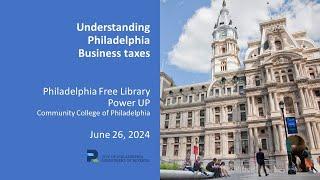
Reevaluating Philadelphia’s Tax Policies: Implications for Businesses, Workers, and Economic Growth
How Philadelphia’s Tax Regime Challenges Small Businesses and Economic Expansion
Philadelphia’s tax framework places a substantial financial strain on small enterprises, complicating their ability to flourish within the city. Elevated business privilege taxes combined with wage-related levies inflate operational expenses, prompting many startups and family-run businesses to either relocate or cease operations. This taxing environment not only deters entrepreneurial ventures but also suppresses job creation, limiting the city’s overall economic dynamism.
Several critical factors illustrate the disproportionate impact on local business owners:
- Regulatory complexity and volatility: Constant modifications and intricate tax codes foster uncertainty, discouraging investment.
- Elevated tax rates: Philadelphia’s combined tax burden ranks among the highest compared to adjacent metropolitan areas.
- Growth penalties: Increasing payrolls trigger higher wage taxes, effectively penalizing businesses for expanding their workforce.
| Tax Category | Philadelphia Rate | Rate in Nearby Cities | Effect |
|---|---|---|---|
| Business Privilege Tax | 0.1415% | 0.09% | Raises costs on gross receipts |
| Wage Tax | 3.8782% | 2.5% | Increases payroll expenses |
| Net Profits Tax | 6.2% | 5% | Limits reinvestment potential |
Wage Taxation’s Role in Reducing Worker Incentives and Economic Mobility
Excessive wage taxes diminish employees’ net earnings, discouraging labor participation and hindering economic advancement. Philadelphia’s taxing system disproportionately affects middle- and lower-income workers, reducing motivation for overtime and skill enhancement. This financial drag not only curtails personal income growth but also weakens the city’s capacity to cultivate a competitive and skilled workforce.
The broader consequences include:
- Lower enthusiasm for additional work hours or professional development
- Increased tendency for employees to seek jobs outside city boundaries
- Barriers to upward economic mobility due to reduced disposable income
| Annual Income Bracket | Approximate Wage Tax Rate | Estimated Annual Net Income Reduction |
|---|---|---|
| $30,000 – $50,000 | 3.45% | $1,035 – $1,725 |
| $50,001 – $80,000 | 3.45% | $1,725 – $2,760 |
| $80,001 and above | 3.45% | $2,760+ |
These figures underscore the tangible financial setbacks Philadelphia’s workforce endures, highlighting the pressing need to revisit wage tax policies that currently impede economic progress rather than promote it.
Consequences of Philadelphia’s Tax Burden on Competitiveness and Talent Retention
The city’s elevated business and wage tax rates have become a formidable obstacle for companies and skilled professionals alike. Small and medium-sized enterprises, which constitute the economic backbone, face mounting pressure, leading many to relocate or expand in neighboring states with more favorable tax climates. This trend contributes to a noticeable decline in regional economic vitality. For workers, particularly younger professionals, the heavy tax load reduces take-home pay and quality of life, fueling migration to more competitive labor markets.
Notable repercussions of these tax policies include:
- Decreased business investment: Firms curtail hiring and capital spending.
- Brain drain: High-skilled workers pursue opportunities elsewhere, weakening the local talent pool.
- Economic stagnation: A slowdown in new business creation hampers long-term growth.
| Tax Type | Philadelphia Rate | Neighboring Cities Average | Economic Effect |
|---|---|---|---|
| Business Income Tax | 6.2% | 4.5% | Reduces reinvestment capacity |
| Wage Tax | 3.8712% | 2.5% | Encourages talent outflow |
Strategies for Developing a More Equitable and Growth-Oriented Tax System
To cultivate a more vibrant and inclusive economy, Philadelphia’s policymakers must overhaul the existing tax framework. Streamlining tax regulations and easing the fiscal load on businesses can stimulate entrepreneurship and attract fresh capital. Recommended initiatives include:
- Reducing payroll tax rates specifically for small and medium-sized enterprises
- Introducing targeted tax incentives for companies that generate sustainable, quality employment
- Simplifying compliance procedures to lower administrative burdens
- Phasing in tax reductions gradually to allow businesses to adapt smoothly
Striking a balance between municipal revenue requirements and economic vitality is essential. A thoughtful restructuring could yield benefits such as:
| Focus Area | Expected Outcome |
|---|---|
| Business-friendly tax rates | Encourage investment and business growth |
| Equitable wage tax policies | Enhance disposable income and reduce employee turnover |
| Transparent tax administration | Build confidence and predictability for businesses |
| Incentives for innovation-driven sectors | Promote diversification and technology advancement |
Final Thoughts
As Philadelphia confronts the economic challenges posed by its substantial business and wage tax burdens, the community faces increasing obstacles. Without comprehensive reform, these taxes risk suppressing growth, deterring investment, and driving both enterprises and talent to more accommodating regions. It is imperative for city leaders to balance immediate fiscal needs with the long-term prosperity of Philadelphia, ensuring it remains a competitive and thriving environment for all its residents.