



Tracing the Transformation of School Lunches: Insights from Philadelphia’s Science History Institute
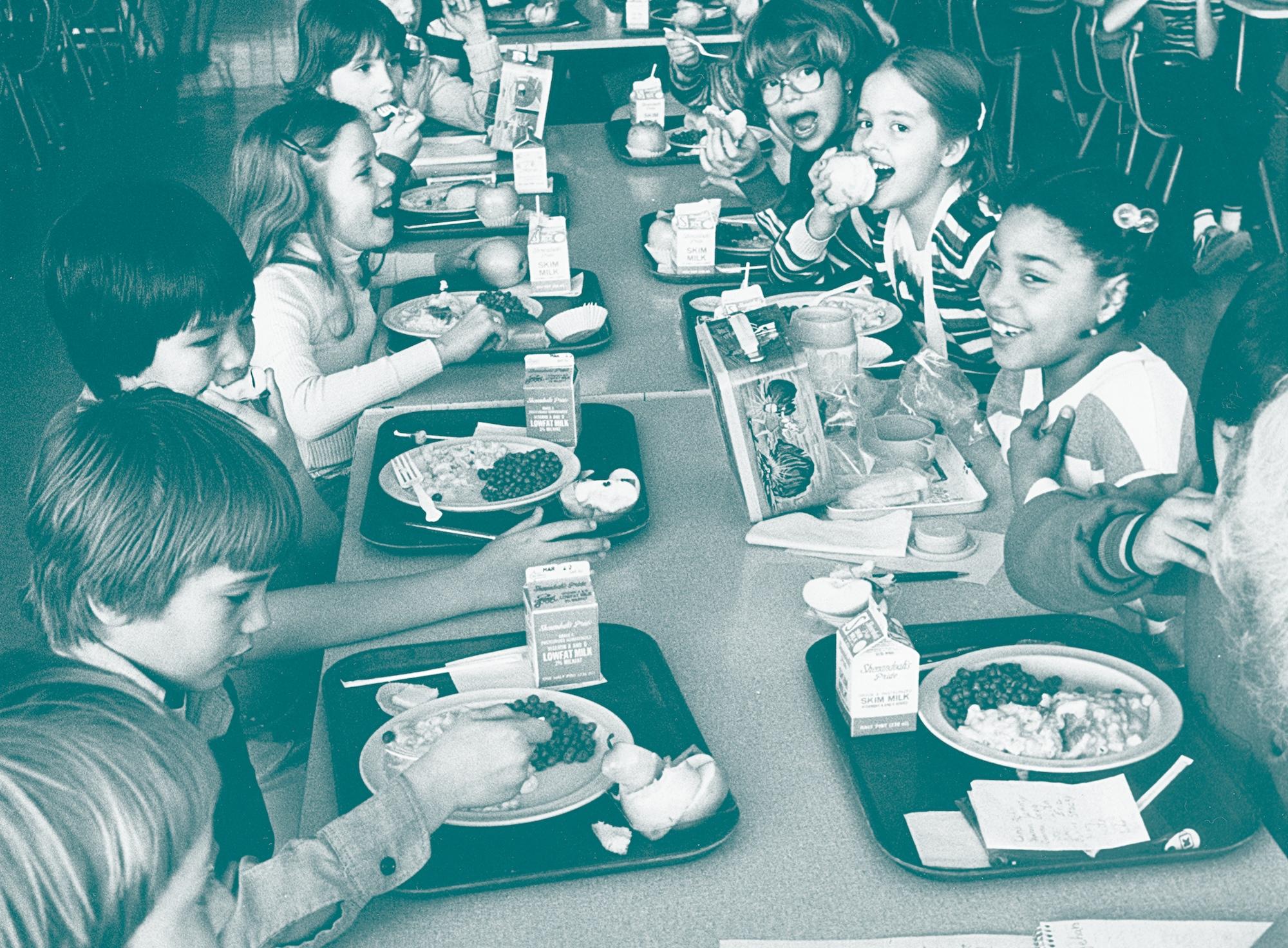
Philadelphia’s Science History Institute recently hosted an engaging event titled “Food Fight,” bringing together historians, educators, and culinary experts to examine the fascinating journey of school lunches in America. This collaborative initiative with WHYY highlighted how school meals have mirrored evolving social values, cultural dynamics, and nutritional science, particularly within Philadelphia’s diverse communities. The story uncovered is as layered and diverse as the meals once served on cafeteria trays.
Early Foundations: The Birth of School Lunch Programs in Philadelphia
The inception of school lunch programs in Philadelphia is rooted in early 20th-century efforts to improve child health and academic performance through better nutrition. Spearheaded by local scientists and educators, this movement recognized the critical role of food chemistry and nutritional science in designing meals that could be efficiently produced and distributed, especially to children from economically disadvantaged backgrounds.
Significant developments in this pioneering era include:
- Groundbreaking nutritional research: Chemists affiliated with the institute laid the scientific groundwork for formulating balanced school meals.
- Federal program adoption: The introduction of government-funded lunch initiatives aimed at combating childhood malnutrition.
- Community engagement: Outreach efforts educating families and teachers on the importance of healthy eating habits beyond the classroom.
| Year | Milestone | Significance |
|---|---|---|
| 1908 | Initial nutritional studies by local chemists | Established scientific principles for school nutrition |
| 1935 | Launch of federally funded lunch programs | Broadened access to nutritious meals in schools |
| 1950s | Nutrition education campaigns | Raised awareness among parents and educators |
Overcoming Obstacles: Challenges in Delivering Nutritious School Meals
Ensuring a steady supply of fresh, nutrient-rich ingredients has consistently challenged school lunch programs, especially in urban centers like Philadelphia. Financial limitations often compel schools to prioritize affordability over quality, resulting in meals that fulfill caloric requirements but lack essential vitamins and minerals. Seasonal fluctuations and limited partnerships with local agriculture further restrict menu variety, which is crucial for both nutritional adequacy and student interest.
Moreover, catering to a student body with diverse dietary needs—including cultural preferences, allergies, and increasing demand for plant-based options—adds complexity to menu planning. Balancing nutritional standards with taste appeal and cost-effectiveness remains a delicate endeavor. The table below outlines these key challenges and potential strategies:
| Challenge | Effect | Possible Solutions |
|---|---|---|
| Limited Budgets | Reduced meal quality and variety | Securing additional funding; optimizing procurement |
| Seasonal Ingredient Constraints | Restricted menu options | Collaborations with local farms and urban gardens |
| Varied Dietary Requirements | Increased menu complexity | Flexible, customizable meal plans |
Evolution of School Lunch Menus: From Simplicity to Diversity
School lunch offerings in Philadelphia have evolved dramatically from their modest origins. Initially, meals were often calorie-dense but nutritionally limited, focusing on inexpensive staples to satiate hunger. Over time, growing awareness of children’s dietary needs prompted the inclusion of fresh produce, whole grains, and lean proteins, sparking debates over budget allocations and student preferences.
By the late 20th century, federal nutrition guidelines began to influence menus, encouraging healthier choices that sometimes met resistance from students accustomed to traditional comfort foods. More recently, Philadelphia schools have embraced farm-to-school initiatives, culturally diverse dishes, and allergy-conscious options, supported by community partnerships and wellness education. Today’s menus reflect a commitment to both nutritional equity and cultural inclusivity, offering items like lentil stews alongside classic Philly cheesesteaks.
- 1950s: Predominance of processed, mass-produced foods.
- 1980s: Introduction of USDA balanced meal standards.
- 2000s: Emphasis on fresh, locally sourced ingredients.
- 2010s: Expansion of culturally relevant and allergy-friendly meals.
- Today: Focus on sustainability, student choice, and nutrition equity.
| Year | Representative Menu Item | Nutritional Emphasis |
|---|---|---|
| 1955 | Ham and Cheese Sandwich | High-calorie, limited variety |
| 1985 | Turkey Sandwich with Fresh Fruit | Balanced nutrition with added produce |
| 2005 | Grilled Salmon Salad | Lean protein and fresh vegetables |
| 2023 | Chickpea and Roasted Vegetable Bowl | Plant-based, allergy-conscious |
Strategies for Enhancing Future School Lunch Programs
To build school lunch programs that are both nourishing and equitable, collaboration among educators, nutrition experts, local producers, and community stakeholders is essential. Prioritizing fresh, seasonal ingredients not only benefits student health but also bolsters local economies. Equipping cafeteria staff with culinary training can elevate meal quality and appeal, while actively involving students through feedback mechanisms fosters greater acceptance and satisfaction.
Recommended approaches for advancing school lunch initiatives include:
- Establishing partnerships with urban farms and regional suppliers to ensure ingredient freshness and variety
- Providing ongoing nutrition and culinary education for food service personnel
- Designing menus that celebrate cultural diversity and accommodate dietary restrictions
- Utilizing technology to optimize meal planning and minimize food waste
- Creating channels for student and parent input to guide menu development
| Focus Area | Recommended Action | Anticipated Benefit |
|---|---|---|
| Local Ingredient Sourcing | Collaborate with nearby farms and gardens | Access to fresher, seasonal produce |
| Menu Inclusivity | Incorporate culturally diverse dishes | Increased student engagement and satisfaction |
| Staff Development | Conduct regular culinary and nutrition workshops | Enhanced meal quality and creativity |
| Student Participation | Implement surveys and tasting events | Higher acceptance and reduced food waste |
Final Thoughts: The Broader Significance of School Lunch History
The Science History Institute’s exploration into the history of school lunches in Philadelphia reveals more than just changing menus—it uncovers the interplay of social, economic, and political forces that have shaped children’s daily nourishment. From the early 1900s’ modest provisions to today’s emphasis on health equity and sustainability, the evolution of school meals reflects wider transformations in American society. For those intrigued by the nexus of food, education, and history, this narrative offers a rich perspective on a meal that is truly much more than just lunch.