



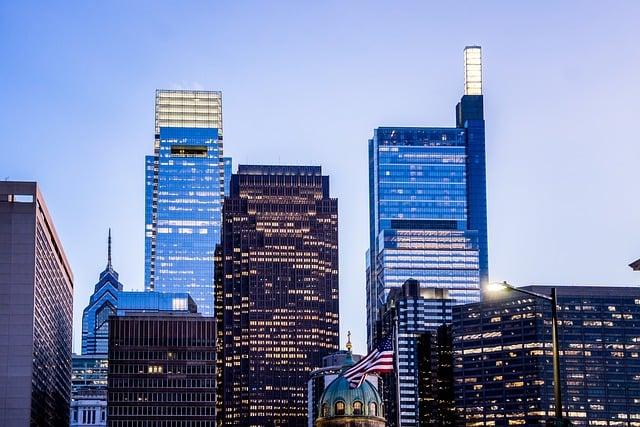
Philadelphia’s plans to close several public schools have met with renewed opposition as city council members urge Mayor Jim Kenney to step in and halt the closures. Following widespread community backlash, officials are calling for a reassessment of the decision, arguing that shuttering schools will disproportionately affect vulnerable neighborhoods. The escalating debate underscores ongoing concerns about the future of education funding and equity in Philadelphia.
Renewed Opposition Emerges Against Philadelphia School Closures
City council members have voiced strong concerns over the recent announcement regarding the closure of multiple public schools across Philadelphia. Highlighting the potential long-term impacts on affected neighborhoods, officials urged Mayor Kenney to halt plans and engage in thorough community consultations before proceeding. Councilperson Maria Sanchez emphasized that “closing schools disrupts not just education but also the social fabric of communities,” urging a reassessment focused on equity and support rather than cuts.
The renewed opposition brings to light several critical issues:
- Displacement of thousands of students and educators
- Loss of community hubs in underserved areas
- Concerns over increased class sizes and resource strain at remaining schools
| School Name | Neighborhood | Projected Student Impact |
|---|---|---|
| Franklin High | Frankford | 450 |
| Southside Academy | South Philadelphia | 320 |
| Liberty Prep | Port Richmond | 275 |
City Council Members Urge Mayor to Halt Closure Plans Amid Community Concerns
City council members have come together in a united front, urging the mayor to reconsider the planned closures of several Philadelphia schools. Citing overwhelming community opposition, they emphasize the detrimental impact these closures could have on neighborhoods already grappling with economic challenges and limited access to quality education. The council stressed that schools serve as vital community hubs, not just places for learning, and that abrupt closures risk dismantling crucial social support networks for students and families alike.
The coalition outlined key concerns including:
- Displacement of students leading to overcrowded classrooms elsewhere
- Increased transportation challenges for families
- Loss of community engagement and local cultural identity
- Potential decline in property values and neighborhood stability
| School | Enrollment | Community Impact |
|---|---|---|
| Greenwood Elementary | 450 | High |
| Pine Hill Middle | 380 | Moderate |
| West End High | 520 | High |
Moving forward, council members are calling for transparent dialogue and collaborative solutions involving educators, parents, and local leaders. They advocate for exploring alternatives such as increased funding, resource reallocation, and community partnerships, hoping to preserve educational access without resorting to closures that could fracture the city’s educational landscape.
Impact of School Closures on Philadelphia Students and Neighborhoods Explored
The recent wave of school closures in Philadelphia has sparked widespread concern among residents, educators, and city officials. Community members argue that shuttering schools not only disrupts students’ education but also exacerbates existing inequalities in underserved neighborhoods. Many fear that these closures will lead to overcrowded classrooms, increased travel times for students, and a decline in access to essential resources such as after-school programs and counseling services. City council members have highlighted the urgent need for a strategic approach that prioritizes the welfare and stability of affected communities.
Key impacts on students and neighborhoods include:
- Increased commute times: Students often must travel farther to attend their reassigned schools, posing challenges for families without reliable transportation.
- Strain on resources: Remaining schools face pressure to accommodate growing student populations with limited funding.
- Community identity loss: Schools often serve as neighborhood anchors; closures can erode social cohesion and local pride.
| Neighborhood | Schools Closed | Estimated Student Impact |
|---|---|---|
| North Philadelphia | 5 | 1,200 |
| West Philadelphia | 3 | 850 |
| South Philadelphia | 2 | 600 |
Recommendations for Collaborative Solutions to Preserve Local Schools
City council members emphasize the need for a unified approach that brings together educators, parents, community leaders, and local government to develop sustainable strategies preventing further school closures. They advocate for increased transparency in decision-making processes and call for the formation of task forces dedicated to exploring alternative funding models, enhanced resource allocations, and innovative educational programs tailored to meet community needs.
Key collaborative recommendations include:
- Establishing neighborhood advisory boards to amplify parent and student voices in school planning.
- Creating partnerships with local businesses to provide mentorship and funding opportunities.
- Implementing comprehensive assessments of school performance and facilities usage before closure decisions.
- Promoting flexible space utilization to accommodate community services and extracurricular activities.
| Collaborative Action | Outcome |
|---|---|
| Community Advisory Boards | Enhanced stakeholder engagement |
| Business Partnerships | Increased funding & mentorship |
| Comprehensive School Audits | Data-driven closure decisions |
| Flexible Facility Use | Maximized resource efficiency |
Insights and Conclusions
As debates over the future of Philadelphia’s public schools continue to unfold, renewed opposition to proposed closures highlights deep community concerns about access to quality education. With city council members urging Mayor Kenney to step in, the outcome of this contentious issue remains uncertain. Stakeholders from all sides now await potential interventions that could reshape the district’s plans, underscoring the ongoing tensions between budget constraints and educational equity in Philadelphia.