



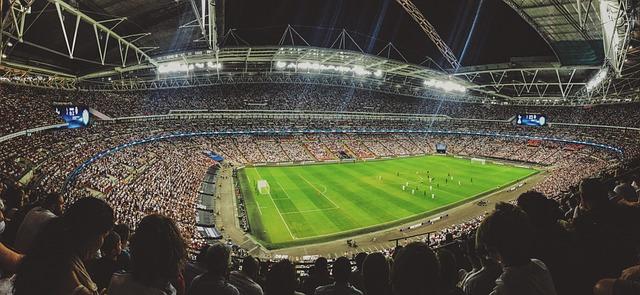
Philadelphia has long been recognized for its passionate and fiercely loyal sports fans. However, that enthusiasm has frequently crossed the line into aggression, leaving the city grappling with a history of rowdy behavior at sporting events. From on-field incidents to unruly crowds, the reputation of Philadelphia’s fanbase has sparked concerns among residents, officials, and teams alike. As local authorities and organizations seek to address these patterns, the city finds itself on edge, striving to balance fervent support with safety and civility. This report delves into the roots of Philadelphia sports fans’ aggressive reputation and examines ongoing efforts to curb violence and restore order.
Philadelphia Sports Fans History of Aggression Spurs Concern Among City Officials
City officials are increasingly vigilant as past incidents involving Philadelphia sports fans continue to loom large in the collective consciousness. The city, home to passionate supporters of the Eagles, Phillies, 76ers, and Flyers, has witnessed a pattern of unruly behavior that often escalates beyond typical fan fervor. From stadium riots after crucial wins to violent confrontations during playoff runs, the intensity of local fan reactions has frequently tested law enforcement and emergency response teams. This history has prompted a reevaluation of security measures ahead of key games and sporting events across the city.
Key concerns driving new strategies include:
- Prevention of mass gatherings that could turn violent
- Enhanced police presence at stadiums and nearby bars
- Improved communication networks between officials and community leaders
- Community outreach programs aiming to promote sportsmanship
| Incident | Year | Impact |
|---|---|---|
| Playoff Brawl Outside Stadium | 2018 | Multiple arrests, property damage |
| Riots Following Eagles Super Bowl Win | 2018 | Citywide curfew imposed |
| Flyers Fans Clash with Police | 2021 | 15 injuries, enhanced security protocols |
Analyzing Root Causes Behind Intense Fan Behavior and Public Safety Risks
The roots of fervent sports fan aggression in Philadelphia can be traced back to a combination of deep-seated loyalty and socioeconomic factors. In many cases, passion transforms into frustration when long-suffering teams underperform or face controversial calls, igniting expressions of anger that escalate rapidly. This volatility is further compounded by a culture that valorizes toughness and resilience, sometimes blurring the lines between spirited support and hostile conduct.
Several contributing elements heighten the risk to public safety during major sporting events:
- High alcohol consumption: Intoxication intensifies emotional responses and impairs judgment.
- Overcrowding in venues and surrounding areas: Creates tense environments prone to conflict.
- Lack of adequate law enforcement presence and preparedness: Limits ability to deescalate emerging situations.
- Historical precedents: Previous incidents normalize aggressive behavior among some fan groups.
| Factor | Impact on Fan Behavior |
|---|---|
| Alcohol Use | Elevates aggression and lowers inhibitions |
| Socioeconomic Stress | Heightens emotional intensity during games |
| Group Mentality | Encourages collective hostility and risk-taking |
| Historical Precedent | Establishes aggressive norms in fan behavior |
Community and Law Enforcement Collaborate on Strategies to Curb Violence
In response to the recurring incidents surrounding sporting events, city officials are intensifying efforts to develop a cohesive approach between community leaders and law enforcement. Emphasis is placed on proactive engagement, with outreach programs designed to foster mutual respect and understanding between fans and police officers. Initiatives include community forums, youth mentorships, and increased patrols during high-risk events, all aimed at de-escalating tensions before they ignite into violence.
Key strategies being implemented include:
- Enhanced collaboration with neighborhood groups to identify potential flashpoints
- Deployment of trained mediators to act as liaisons during conflicts
- Utilization of real-time data and social media monitoring to anticipate disturbances
- Educational campaigns promoting sportsmanship and respect among fans
| Strategy | Purpose | Status |
|---|---|---|
| Community Forums | Open dialogue to share concerns and build trust | In Progress |
| Youth Mentorship | Engage younger fans in positive behavior | Launched |
| Increased Police Presence | Prevent and respond quickly to violence | Implemented |
| Social Media Monitoring | Track potential threats near events | Evaluated |
Recommendations for Promoting Positive Fan Engagement and Safer Game Day Experiences
Strengthening community relationships through targeted outreach programs and increased collaboration between sports organizations, local law enforcement, and fan groups can significantly reduce incidents of aggression. Implementing fan education initiatives that promote respect and sportsmanship—such as pre-game workshops and awareness campaigns—encourages positive behavior inside and outside stadiums. Additionally, enhancing stadium security with visible, trained personnel and crowd management technologies ensures swift response to disruptive actions, creating a safer environment for all attendees.
Key strategies for safer game day experiences include:
- Promotion of family-friendly zones and alcohol consumption limits
- Real-time monitoring and social media reporting channels
- Engagement of fan leaders as ambassadors for positive conduct
- Collaborative ticketing policies to minimize high-risk seating arrangements
| Measure | Benefit |
|---|---|
| Increased Security Staff | Rapid incident containment |
| Fan Ambassador Programs | Peer-led behavior improvement |
| Alcohol Policies | Reduced intoxication-related conflicts |
| Clear Communication Channels | Immediate reporting and response |
Wrapping Up
As Philadelphia continues to reckon with its longstanding reputation for passionate—and at times volatile—sports fandom, city officials and community leaders emphasize the need for increased awareness and proactive measures. While the love for local teams remains a defining aspect of Philadelphia’s identity, promoting sportsmanship and safety has become paramount to ensuring that enthusiasm does not devolve into aggression. The ongoing dialogue and efforts to curb violence reflect a city striving to balance its proud sports culture with the well-being of its residents and visitors alike.