



Philadelphia Schools Adopt Virtual Learning Amid Record-Breaking Heat Wave
Facing an intense and early-season heat wave, 57 public schools in Philadelphia have opted to switch to remote learning this Wednesday to protect students and staff from dangerously high temperatures. This precautionary measure responds to forecasts predicting temperatures soaring above 95°F, coupled with inadequate air conditioning in numerous school facilities. The district’s decision reflects a growing awareness of climate change’s direct impact on educational environments and student wellbeing.
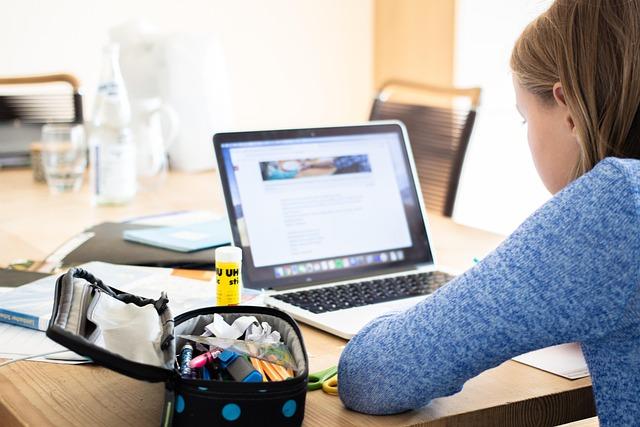
These schools, spread across multiple districts, have communicated the transition to families, emphasizing the continuation of education through live virtual classes and digital assignments. To support a smooth shift, the district has provided essential recommendations for parents and guardians:
- Verify device readiness and stable internet access before the school day begins
- Utilize designated meal distribution points to ensure students receive proper nutrition
- Follow official district updates via email, websites, and social media
- Reach out to school staff for any technical or academic support needed
| Date of Heat Wave | Schools Transitioning to Virtual | Projected High Temperature (°F) |
|---|---|---|
| May 8, 2024 | 57 | 95+ |
Health Risks and Facility Strains Amid Extreme Heat Conditions
The unprecedented heat surge in early May has raised significant health concerns for Philadelphia’s student population. Prolonged exposure to excessive heat can lead to dehydration, heat exhaustion, and in severe cases, heatstroke—conditions particularly dangerous for children and those with underlying health issues. Recognizing these risks, school leaders prioritized student safety by moving to virtual instruction, thereby minimizing physical exposure to hazardous indoor temperatures.
Beyond health, the heat wave exposed vulnerabilities in school infrastructure. Many buildings experienced air conditioning breakdowns and electrical overloads due to increased cooling demands, resulting in intermittent power failures and uncomfortable learning environments. Maintenance crews reported a spike in energy consumption and urgent repair needs, underscoring the necessity for long-term upgrades to aging systems. The following table summarizes key issues and responses observed:
| Challenge | Percentage of Schools Affected | Mitigation Actions |
|---|---|---|
| Air conditioning malfunctions | 45% | Deployment of portable cooling units |
| Electrical outages | 30% | Activation of backup power generators |
| Increased heat-related student health incidents | 15% | Recommendation for virtual learning days |
- Enhanced Health Protocols: Installation of additional hydration stations and implementation of heat illness prevention measures.
- Facility Assessments: Initiation of comprehensive inspections targeting HVAC system improvements.
- Community Engagement: Collaboration with local nonprofits to provide resources and support for at-risk students.
Preparing Families for a Seamless Virtual Learning Experience
In anticipation of the heat wave, the Philadelphia school district has urged families to prepare for a one-day shift to online learning. Ensuring students remain on track academically requires proactive steps from parents and caregivers to create an effective home learning environment. The district highlights the importance of verifying that all devices are fully charged and updated, and that internet connections are reliable to avoid disruptions.
Essential preparation tips for families include:
- Charge all laptops, tablets, and smartphones overnight
- Review the day’s assignments and virtual class schedules with your child
- Set up a quiet, distraction-free workspace conducive to learning
- Keep teacher contact information accessible for quick communication
- Plan for meals ahead of time, as school cafeterias will be closed
| Device Type | Recommended Preparation | Support Resources |
|---|---|---|
| District-issued laptops | Perform software updates and security scans | Technical Support |
| Tablets and mobile devices | Confirm Wi-Fi connectivity and app functionality | Student Resources |
| Home desktop computers | Clear browser cache and organize bookmarks for ease of use | Online Learning Hub |
Balancing Academic Success and Wellbeing During Heat-Related Interruptions
Transitioning to virtual learning amid sudden weather challenges demands a thoughtful approach that supports both educational goals and student health. Schools and families are encouraged to adopt flexible scheduling that incorporates regular breaks for hydration and mental rest, helping to alleviate screen fatigue during extreme heat days. Educators can focus on assignments that foster creativity and critical thinking without requiring prolonged concentration, keeping students engaged without overwhelming them.
Supporting emotional and social wellbeing is equally vital. Regular check-ins through video calls or phone conversations can help maintain connections and reduce feelings of isolation in a remote learning environment. Additionally, schools can offer cooling centers or safe spaces for families lacking adequate home climate control, alongside distributing educational materials on heat safety and wellness.
Community collaboration plays a crucial role in resilience-building. Local organizations can partner with schools to provide resources and support networks, while clear communication channels between families, educators, and authorities ensure timely responses to evolving weather conditions. These combined efforts help sustain a healthy, productive learning atmosphere despite environmental disruptions.
Conclusion: Philadelphia’s Proactive Response to Climate-Induced Educational Challenges
As Philadelphia confronts rising temperatures and more frequent heat waves, the decision to move 57 schools to virtual learning highlights the district’s dedication to safeguarding student health without compromising educational quality. Officials continue to monitor weather developments closely and encourage families to stay informed through official communication channels for any updates. This adaptive strategy exemplifies the broader challenges school systems face in balancing academic needs with health and safety amid escalating climate impacts.