



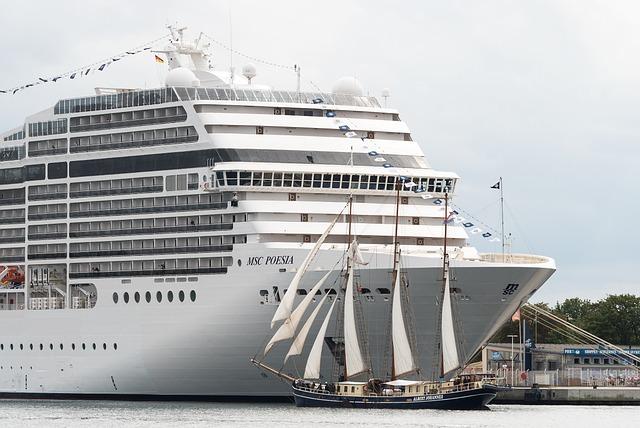
Philadelphia Advances Waterfront Development with Cutting-Edge Cruise Terminal
Philadelphia is embarking on a transformative journey to elevate its maritime presence by initiating construction on a brand-new cruise ship terminal, scheduled to welcome its first passengers in April 2026. This innovative terminal is designed to accommodate some of the largest cruise liners, offering travelers enhanced amenities and streamlined services. By establishing itself as a key port of call along the Eastern Seaboard, Philadelphia aims to invigorate its tourism sector, generate substantial employment opportunities, and drive sustained economic growth throughout the region.
The terminal’s design incorporates several standout features:
- Multiple docking stations enabling simultaneous berthing of large vessels
- Improved connectivity with efficient transport links to downtown and nearby airports
- Commitment to sustainability through eco-conscious building practices
With an investment of approximately $150 million, this project integrates advanced technology and passenger-centric facilities to ensure smooth embarkation and disembarkation, marking a milestone in Philadelphia’s maritime infrastructure evolution.
| Specification | Details |
|---|---|
| Maximum Ship Length | Up to 1,200 feet |
| Projected Opening | April 2026 |
| Budget | $150 million |
| Site Location | Delaware River Waterfront |
Projected Economic and Tourism Impact of the New Terminal
The introduction of Philadelphia’s new cruise terminal is anticipated to be a catalyst for regional economic revitalization. Industry analysts predict a surge in cruise passenger arrivals, potentially exceeding 250,000 annually, which will directly benefit sectors such as hospitality, retail, and transportation. This influx is expected to create over 300 new jobs, spanning from port operations to tourism-related services, thereby fostering a robust economic ecosystem.
Beyond immediate financial gains, the terminal is poised to enhance Philadelphia’s reputation as a vibrant travel destination. Tourists will enjoy improved access to the city’s rich historical sites, eclectic neighborhoods, and diverse cultural offerings, encouraging extended visits and repeat tourism. This growth will also positively impact small enterprises and local artisans by increasing customer footfall. Key anticipated benefits include:
- Annual increase of 250,000 cruise passengers contributing to local spending
- Creation of 300+ new employment opportunities across multiple industries
- Expansion of business prospects for local vendors and service providers
- Enhanced tax revenues supporting community and infrastructure projects
| Impact Area | Estimated Figures |
|---|---|
| Annual Cruise Passenger Volume | +250,000 |
| New Jobs Generated | 300+ |
| Additional Tourism Revenue | $85 million |
| Growth in Local Business Income | 15% per year |
Innovative Design and Environmental Initiatives at the Terminal
Philadelphia’s forthcoming cruise terminal is set to exemplify sustainable infrastructure development. The facility will feature solar energy systems integrated into its rooftop architecture, significantly lowering its carbon emissions. Additionally, a rainwater collection system will be implemented to support irrigation and sanitation, reducing dependence on municipal water supplies. Energy-efficient LED lighting and state-of-the-art HVAC technology will further optimize energy consumption, aligning the terminal with contemporary environmental standards.
The construction materials have been carefully selected to minimize environmental impact. The project will utilize recycled steel sourced locally and low-VOC paints to enhance indoor air quality and reduce transportation-related emissions. The terminal’s landscaping will incorporate native plants, fostering biodiversity and providing natural cooling through shaded areas. Highlighted sustainability features include:
- Solar power generation with integrated battery storage
- Water-efficient landscaping and greywater recycling
- Use of environmentally responsible building materials
- Advanced energy management and monitoring systems
- Electric vehicle charging infrastructure
| Feature | Environmental Benefit |
|---|---|
| Solar Panels | Lower greenhouse gas emissions |
| Rainwater Harvesting | Preservation of local water resources |
| Recycled Steel | Reduced carbon footprint during construction |
| Native Plant Landscaping | Support for local ecosystems and natural cooling |
Strategies for Local Businesses to Capitalize on Cruise Terminal Expansion
The arrival of the new cruise terminal presents a prime opportunity for Philadelphia’s local businesses to tap into a growing market of cruise travelers expected from April 2026 onward. To fully benefit, businesses should focus on enhancing customer engagement by offering convenience and authentic local experiences. Restaurants might consider extending operating hours and crafting special menus that highlight regional cuisine tailored to cruise visitors. Retailers can improve appeal by stocking travel essentials and unique souvenirs, while multilingual signage and staff training will facilitate better communication with international guests. Partnering with tour operators and local guides can also increase visibility and attract cruise passengers.
Proactive adjustments in operations will help businesses smoothly accommodate the anticipated surge in visitors. This includes optimizing inventory levels, adopting contactless payment technologies, and streamlining checkout processes. Below is a summary of tailored recommendations for various business sectors:
| Business Sector | Suggested Actions |
|---|---|
| Dining Establishments | Feature local specialties; develop cruise-themed menus; increase staff during peak cruise arrivals |
| Retail Outlets | Offer travel necessities and local crafts; implement seamless payment options; use clear, multilingual signage |
| Tour Operators | Design flexible, quick tours; establish package deals with local businesses; utilize online booking platforms |
Final Thoughts on Philadelphia’s Cruise Terminal Development
As Philadelphia embarks on this landmark project, the new cruise ship terminal symbolizes a bold step toward revitalizing the city’s waterfront and expanding its role as a prominent travel gateway. With an anticipated launch in April 2026, the terminal is set to attract a growing number of visitors, invigorate the local economy, and solidify Philadelphia’s standing within the competitive cruise industry. Residents, business leaders, and stakeholders alike will be closely monitoring the project’s progress as it ushers in a promising new era for the city’s maritime and tourism landscape.