


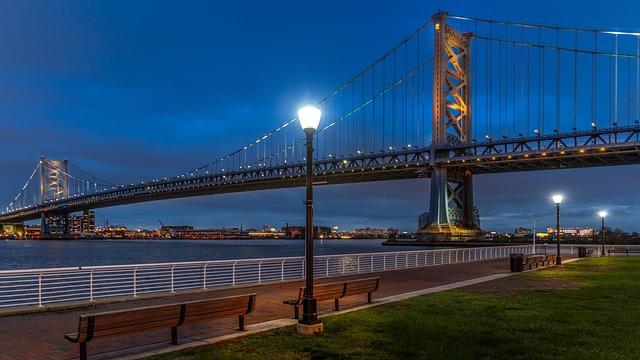
Philadelphia Proposes Extended Summer Business Hours to Revitalize Nightlife and Economy
Summer Extension of Business Hours: A Strategic Move to Stimulate Philadelphia’s Economy
In an effort to rejuvenate Philadelphia’s economic landscape and nightlife, city leaders are advancing legislation that would allow local establishments to remain open until 4 a.m. during the summer season. This initiative is designed to support restaurants, bars, and entertainment venues as they recover from the financial setbacks caused by the COVID-19 pandemic. Officials anticipate that longer operating hours will not only increase revenue streams but also generate additional employment opportunities and enhance the city’s appeal as a vibrant destination for both residents and tourists.
The extended hours will be optional for businesses, contingent upon adherence to a set of safety and operational guidelines. These include:
- Strict noise management policies to protect nearby residential neighborhoods
- Collaboration with law enforcement agencies to ensure effective crowd control
- Compliance with health and sanitation standards to maintain public safety
- Acquisition of special permits for late-night operations
| Type of Business | Current Closing Time | Proposed Extended Closing Time |
|---|---|---|
| Restaurants | 12 a.m. | 4 a.m. |
| Bars | 2 a.m. | 4 a.m. |
| Nightclubs | 2 a.m. | 4 a.m. |
Community Feedback and Safety Challenges of Late-Night Operations
The proposal to extend business hours has elicited a spectrum of responses from Philadelphia’s residents and local authorities. While many welcome the prospect of a more dynamic nightlife and economic uplift, others voice apprehensions regarding increased noise disturbances, potential public disorder, and safety hazards during the extended hours. These concerns have led to demands for vigilant oversight and robust enforcement mechanisms to safeguard community well-being.
Public safety experts stress the necessity of a coordinated approach involving businesses, police, and city planners to address the operational shift effectively. Key issues highlighted include:
- Possible escalation in alcohol-related incidents and nighttime altercations
- Greater demand for late-night public transit and crowd management
- Additional strain on emergency responders and healthcare services
To mitigate these risks, city officials are exploring enhanced police patrols and community engagement initiatives. The following table outlines primary safety concerns alongside proposed interventions:
| Safety Concern | Potential Impact | Mitigation Strategy |
|---|---|---|
| Noise Disturbance | Complaints from residents in adjacent areas | Strict enforcement of noise ordinances and curfews |
| Public Transportation | Reduced service availability after 2 a.m. | Extension of bus and subway operating hours |
| Law Enforcement | Increased need for nighttime policing | Augmented staffing and rapid response units |
Regulatory Framework and Enforcement Measures for Late-Night Business Operations
Philadelphia’s city officials are committed to balancing economic growth with community safety by implementing a comprehensive regulatory framework for the extended hours. Businesses opting into the late-night schedule will be subject to rigorous noise control and security requirements. Continuous monitoring through inspections and close cooperation with law enforcement will be essential to ensure compliance throughout the summer.
Enforcement highlights include:
- Mandatory employee training focused on crowd management and conflict resolution
- Deployment of noise monitoring equipment to prevent excessive sound levels
- Increased police presence in nightlife hotspots
- Clear penalties for violations, including fines and possible suspension of licenses
| Focus Area | Enforcement Actions | Responsible Entities |
|---|---|---|
| Noise Management | Installation of sound level monitors and regular checks | Business owners and city inspectors |
| Security Measures | On-site security staff and comprehensive training | Management teams and police departments |
| Compliance Oversight | Frequent inspections and enforcement of penalties | City officials and law enforcement |
Strategies for Philadelphia Businesses to Leverage Extended Operating Hours
Businesses in Philadelphia are encouraged to adapt their operations strategically to benefit from the new 4 a.m. closing time during the summer. Establishments that previously closed by midnight can increase profitability by adjusting staff schedules and launching targeted late-night promotions. Enhancing menu selections or entertainment options during these hours can attract a broader clientele, including night-shift workers, tourists, and residents seeking vibrant social scenes beyond traditional hours.
Developing a focused marketing campaign to highlight the extended hours will be crucial. Utilizing digital marketing channels and social media platforms to promote new operating times and exclusive late-night offers can help capture new audiences. Recommended tactics include:
- Collaborating with rideshare companies to provide discounted or bundled rides, encouraging safe transportation during late hours.
- Partnering with nearby businesses to create joint promotions, fostering a late-night commercial corridor.
- Implementing enhanced safety features such as improved lighting and security personnel to ensure a secure and inviting atmosphere.
| Opportunity | Recommended Action | Anticipated Benefit |
|---|---|---|
| Expanded Late-Night Menu | Offer unique snacks and specialty beverages | Boost average customer spend |
| Marketing Extended Hours | Deploy targeted social media campaigns | Attract diverse customer groups |
| Joint Late-Night Events | Coordinate promotions with neighboring venues | Increase foot traffic across multiple businesses |
Looking Ahead: Evaluating the Impact of Extended Nighttime Business Hours
As Philadelphia prepares to implement the summer bill permitting businesses to operate until 4 a.m., city leaders and entrepreneurs are closely monitoring its effects on economic vitality, public safety, and neighborhood quality of life. Proponents highlight the potential for a thriving nightlife economy and increased tourism, while some community members remain cautious about noise and late-night disturbances. The forthcoming months will provide critical data and insights, shaping future policies and serving as a model for other cities considering similar initiatives.