



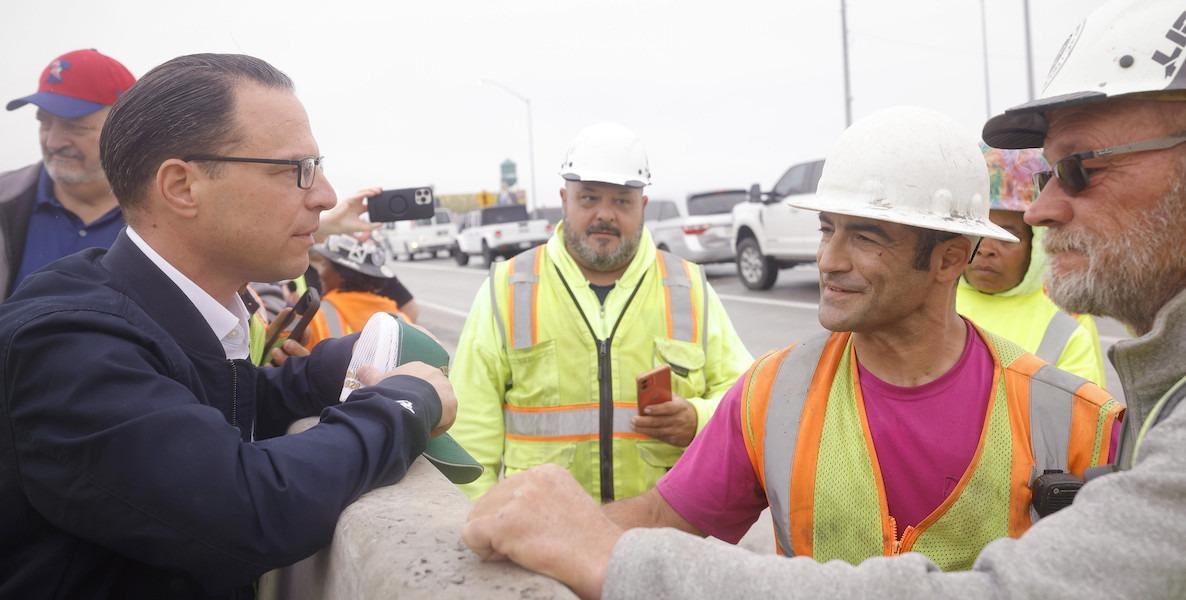
Embracing a Politics of Repair: Philadelphia’s Path to Equitable Urban Renewal
Historical Disinvestment and Its Enduring Effects on Philadelphia’s Neighborhoods
Philadelphia’s urban environment reflects the long-term consequences of systemic neglect, chronic underfunding, and flawed policy decisions. Many neighborhoods, especially those predominantly home to Black and brown communities, have endured deteriorating infrastructure, insufficient public amenities, and dwindling economic prospects. This decline extends beyond physical decay, fracturing the social fabric and exacerbating health disparities, educational inequities, and housing instability. These challenges perpetuate cycles of poverty and social exclusion that continue to affect generations.
Despite these hardships, Philadelphia’s communities have demonstrated remarkable resilience. Grassroots groups and local advocates are spearheading efforts not only to restore their neighborhoods but to transform them through:
- Fair and targeted investments in essential infrastructure and services
- Inclusive urban design that amplifies community input
- Policy reforms aimed at addressing systemic social and economic disparities
| Challenge | Community Impact | Restorative Strategy |
|---|---|---|
| Vacant and Derelict Buildings | Rise in crime and neighborhood decline | Establishment of community land trusts |
| Under-resourced Schools | Lower academic achievement and opportunity gaps | Implementation of localized education reforms |
| Health Inequities | Increased chronic disease prevalence | Expansion of community-based health centers |
Reimagining Urban Infrastructure: Prioritizing Repair Over Replacement
Conventional urban infrastructure development has often emphasized rapid expansion and new construction, frequently overlooking sustainability and community needs. Shifting towards a repair-focused framework offers a transformative alternative—one that values the upkeep and modernization of existing assets to build urban resilience. This approach reduces environmental waste, fosters local expertise, and recognizes infrastructure as a social and political entity rather than a purely technical system.
Adopting this repair-centric model necessitates a fundamental change in governance and funding priorities, favoring sustained maintenance over temporary solutions. It promotes partnerships among government bodies, residents, and skilled tradespeople to co-develop strategies that reflect the diverse realities of urban life. Core tenets include:
- Empowering communities: Engaging residents as active stewards and decision-makers
- Conserving resources: Emphasizing reuse and preservation to lessen environmental impact
- Flexible policy-making: Adapting regulations to evolving social and ecological conditions
| Dimension | Traditional Model | Repair-Oriented Model |
|---|---|---|
| Primary Focus | Constructing new infrastructure | Maintaining and restoring existing systems |
| Community Involvement | Limited participation | Collaborative engagement |
| Environmental Considerations | High consumption of materials and energy | Minimized footprint through reuse |
| Investment Horizon | Short-term gains | Long-term sustainability |
Grassroots Leadership: Catalysts for Just and Inclusive Urban Renewal
Neighborhoods in Philadelphia that were once marginalized due to decades of neglect are now emerging as centers of revitalization, driven by community-led initiatives. Residents, nonprofits, and activists are collaboratively shaping redevelopment efforts that prioritize enduring community welfare over immediate financial returns. These projects focus on affordable housing development, cultural heritage preservation, and creation of welcoming public spaces to foster equitable growth. By elevating the perspectives of those most affected, these movements challenge conventional top-down urban planning paradigms and seek to mend the social divides caused by historical exclusion.
Successful elements of these initiatives include:
- Community land trusts: Enabling collective land stewardship to prevent displacement
- Participatory budgeting: Empowering residents to directly allocate public funds
- Local employment programs: Prioritizing job opportunities for neighborhood residents
| Program | Achievements | Current Status |
|---|---|---|
| West Philadelphia Land Trust | Over 150 affordable housing units secured | Active |
| East Philly Participatory Budgeting | $2 million invested in community parks and recreation | Ongoing |
| Neighborhood Hiring Initiative | Local employment increased by 45% | Expanding |
Strategic Policy Directions for Equitable and Sustainable Urban Development
To cultivate cities that genuinely serve all inhabitants, urban planners and policymakers must embrace frameworks grounded in equity and environmental responsibility. This involves directing resources toward affordable housing, expanding green infrastructure, and enhancing public transit accessibility, all while ensuring meaningful participation from historically marginalized groups. Key policy actions include enforcing inclusionary zoning laws to maintain affordability, incentivizing eco-friendly construction practices, and upgrading infrastructure to support pedestrian and bicycle mobility. These measures not only address spatial inequities but also bolster urban resilience amid climate change.
Furthermore, integrating data analytics with community engagement enables adaptive governance that responds effectively to shifting urban dynamics. The table below outlines critical policy areas, recommended actions, and anticipated benefits:
| Policy Area | Recommended Actions | Projected Outcomes |
|---|---|---|
| Affordable Housing | Implement rent stabilization, enforce inclusionary zoning | Mitigated displacement, enhanced socioeconomic diversity |
| Green Infrastructure | Increase urban tree canopy, install permeable surfaces | Improved air quality, reduced urban heat island effect |
| Transportation Access | Expand bike networks, subsidize public transit fares | Lower greenhouse gas emissions, improved mobility equity |
Conclusion: Advancing a Repair-Centered Vision for Philadelphia’s Future
In a time of rapid urban change and widening social disparities, the concept of a politics of repair offers a compelling framework for cities like Philadelphia to address entrenched inequities. By prioritizing restoration—both of physical infrastructure and community bonds—this approach challenges traditional urban governance models focused solely on growth. As Philadelphia moves forward, embracing repair as a guiding principle can foster more inclusive, resilient, and just urban environments that honor the city’s history while building a sustainable future for all residents.