



Understanding the Paradox of Declining Violent Crime and Persistent Safety Concerns in U.S. Cities
Significant Drop in Violent Crime Across Major U.S. Urban Centers in 2024
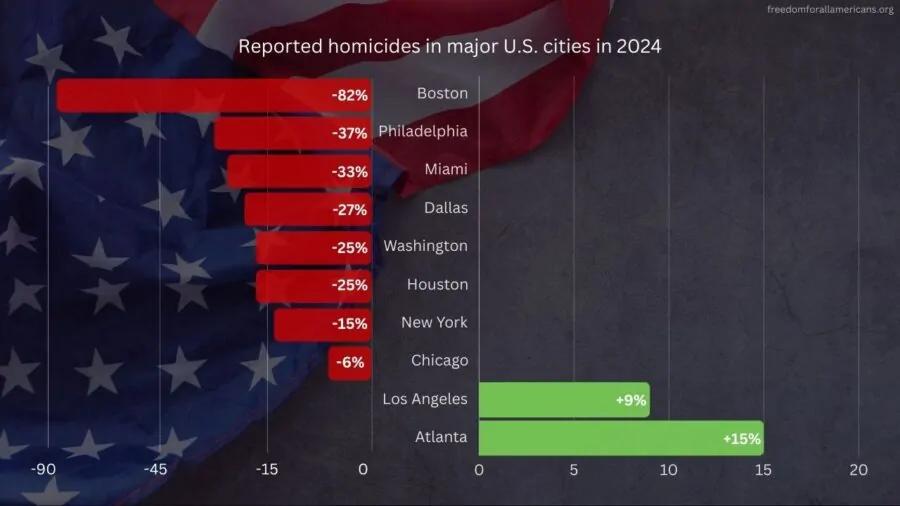
In the first half of 2024, numerous metropolitan areas across the United States have experienced a marked decrease in violent crime rates. Law enforcement credits this positive trend to a combination of improved community engagement, advancements in crime-fighting technology, and focused social intervention programs targeting vulnerable groups. Cities like New York, Philadelphia, and Miami have reported reductions in violent offenses ranging from 7% to 14% compared to the previous year. Despite these encouraging statistics, many residents continue to voice apprehensions about their personal safety and the security of their neighborhoods.
Experts attribute this gap between the declining crime figures and ongoing public unease to several factors, including the impact of widely publicized violent events and uneven safety conditions across different urban districts. Common concerns raised by communities include:
- Insufficient visible law enforcement presence in densely populated neighborhoods
- Slower emergency response times reported in outlying suburban areas
- Underreporting of minor crimes leading to incomplete community awareness
- Socioeconomic pressures that heighten anxiety and distrust
| City | Percentage Decrease in Violent Crime | Percentage of Residents Feeling Safe |
|---|---|---|
| New York | 14 | 50 |
| Philadelphia | 9 | 43 |
| Miami | 7 | 46 |
| Detroit | 8 | 41 |
Why Public Perception Often Contrasts with Crime Data
Although official crime reports indicate a downward trend in violent offenses, many urban residents still report feeling vulnerable. This disparity highlights that numerical data alone cannot fully capture the community’s sense of security. Factors such as sensationalized media coverage of isolated violent acts, personal encounters with crime, and neighborhood-specific issues heavily influence public sentiment. Specialists emphasize that the perception of safety is shaped by more than just statistics; it depends on trust in law enforcement, community solidarity, and effective communication.
Community feedback points to several reasons behind this disconnect:
- Localized surges in crime within prominent public spaces overshadow overall improvements.
- Limited transparency and engagement from police departments erode public trust.
- Social media platforms amplify violent incidents, escalating collective anxiety.
| Influencing Factor | Effect on Public Anxiety |
|---|---|
| Media Sensationalism | Increases public focus on violent events, often exaggerating their frequency |
| Police-Community Relations | Low confidence in law enforcement correlates with heightened fear |
| Neighborhood Dynamics | Economic instability and transient residents contribute to insecurity |
Underlying Causes of Continued Insecurity Despite Crime Declines
Multiple intertwined factors explain why many individuals feel unsafe even as violent crime diminishes. Media coverage plays a significant role by spotlighting rare but dramatic incidents, which can distort public perception of risk. The omnipresence of social media further intensifies this effect by circulating real-time updates and graphic content, fostering a persistent sense of threat. Historical trauma and longstanding mistrust of law enforcement, especially in communities with chronic violence, also contribute to ongoing feelings of vulnerability.
Structural and socioeconomic challenges exacerbate these perceptions. Key contributors include:
- Economic Inequality: Enduring poverty and joblessness can heighten fear, even when crime rates fall.
- Signs of Urban Neglect: Abandoned properties, poor street lighting, and deteriorating infrastructure signal disorder and insecurity.
- Weak Community-Police Connections: A lack of meaningful interaction undermines trust and hampers crime prevention efforts.
- Rapid Demographic Shifts: Sudden changes in population composition can disrupt social cohesion and increase tensions.
| Cause | Effect on Sense of Insecurity |
|---|---|
| Media Amplification | Exaggerates perceived danger beyond actual threat levels |
| Economic Hardship | Generates anxiety despite improvements in crime statistics |
| Urban Decay | Visual deterioration signals neglect and risk |
| Community-Police Disconnect | Weakens trust and safety networks |
Effective Approaches to Align Crime Data with Community Confidence
Restoring public trust requires strengthening the relationship between law enforcement and residents. Programs emphasizing community policing, where officers actively engage with local neighborhoods, promote transparency and accessibility. Organizing regular community meetings and forums provides platforms for residents to voice concerns and receive accurate crime updates directly from officials. Utilizing social media strategically can counteract misinformation and showcase positive policing efforts, thereby enhancing the public’s sense of security.
Transparency in crime data is equally vital. Offering real-time, user-friendly access to crime statistics helps demystify trends and build trust. The table below highlights how select cities have successfully boosted public confidence through targeted community engagement:
| City | Community Initiative | Increase in Public Confidence (%) |
|---|---|---|
| Boston | Neighborhood watch collaborations | 20 |
| Portland | Interactive crime data dashboards | 25 |
| San Diego | Youth mentorship and outreach programs | 17 |
Moreover, partnerships between municipal authorities, social service agencies, and community organizations are crucial to tackling root causes of crime, such as housing instability and limited economic prospects. When combined with consistent follow-up and accountability, these comprehensive strategies not only reduce crime but also rebuild community trust in public safety systems.
Conclusion: Navigating the Complex Landscape of Urban Safety in 2024
As 2024 unfolds, the narrative of urban safety in the United States remains multifaceted. While crime statistics demonstrate encouraging declines in violent offenses across many cities, public perception often tells a different story. This divergence highlights the ongoing challenges faced by law enforcement, policymakers, and communities in fostering genuine security and trust. Moving forward, bridging the divide between empirical data and lived experiences will be essential to developing effective solutions that translate reduced crime rates into a tangible sense of safety for all residents.